

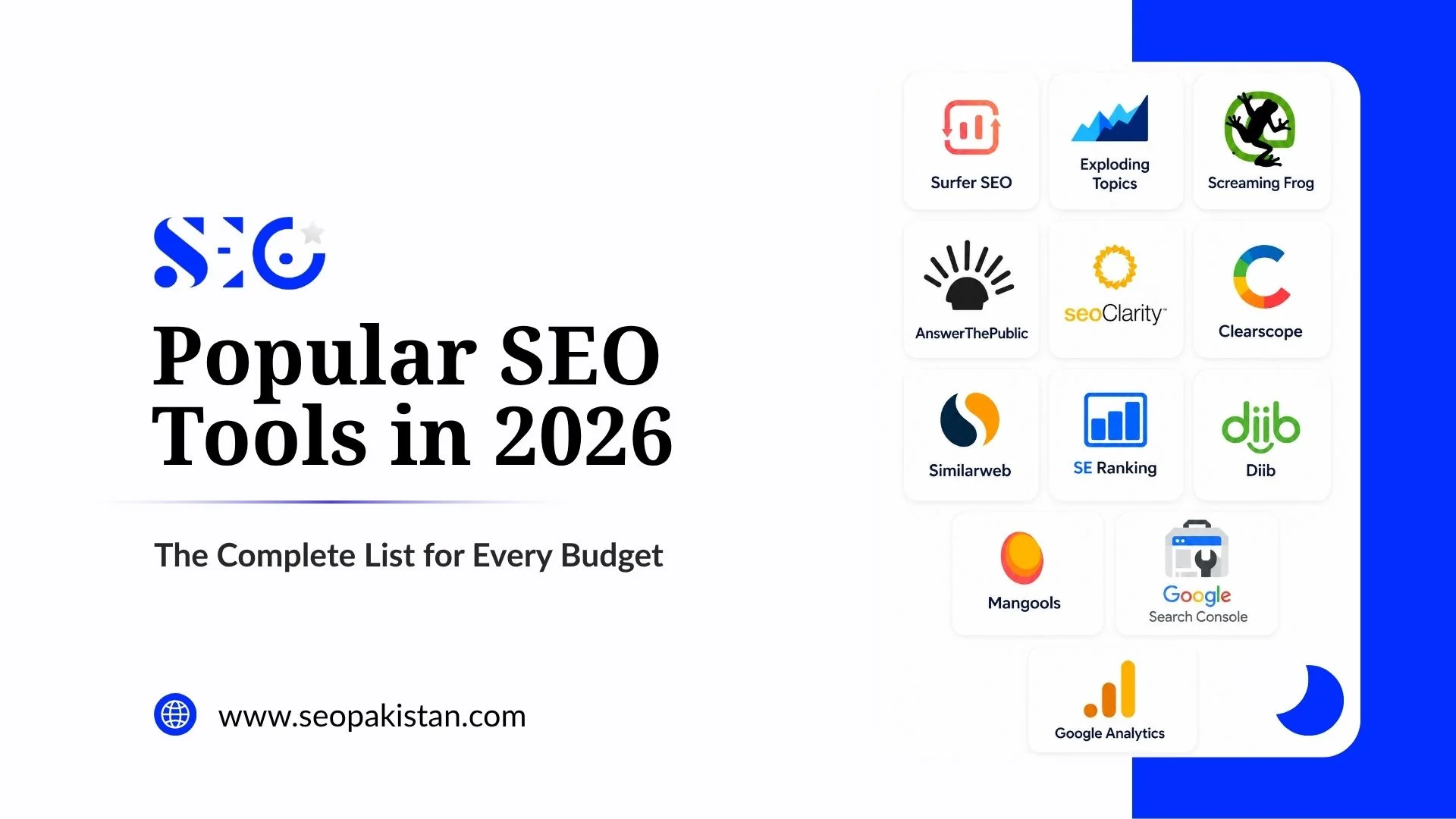
Popular SEO tools in 2026 cover far more ground than the big names like Ahrefs and SEMrush. This guide breaks down 11 platforms that deliver real results for search engine optimization, from technical audits to AI-driven content optimization.
Instead of just listing features, each section walks through how the tool works, who it fits best, and the trade-offs worth knowing before you commit budget. Use this as a working reference for choosing the right popular SEO tools for your specific workflow.
SEO Tools at a Glance: A Quick-Reference Guide
This table blends tools for keyword research, technical audits, and AI-driven content creation into one quick-reference view of the best SEO tools covered in this guide.
| Tool | Primary Use Case | Best For | Cost |
| Surfer SEO | On-Page Optimization | Content Writers, SEOs | Paid |
| Exploding Topics | Trend Analysis | Content Strategists | Freemium |
| Screaming Frog | Technical SEO Audits | Technical SEO Specialists | Freemium |
| AnswerThePublic | Content Idea Generation | Writers, Content Marketers | Freemium |
| seoClarity | Enterprise Suite | Large Agencies, Enterprises | Paid |
| Clearscope | Content Optimization | Content Teams | Paid |
| Similarweb | Competitive Intelligence | Competitor Analysts | Freemium |
| SE Ranking | All-in-One Suite | SMBs, Freelancers | Paid |
| Diib | SEO Management | Beginners, Small Businesses | Freemium |
| Mangools | Beginner SEO | SEO Novices, Bloggers | Paid |
| Google Search Console | Site Health & Performance | All Website Owners | Fre |
Choosing the Right SEO Software for Your Team
Picking SEO software starts with an honest look at your workflow, not a feature checklist. Narrowing down the right platform from a long list of popular SEO tools starts with knowing your team size, technical skill level, and the specific problems you need solved.
- A solo freelancer and an enterprise agency need very different technical SEO tools, even if both are optimizing the same type of site.
- Some teams prefer several focused apps; others want everything under one login to reduce context-switching.
- The best SEO software fits your current workflow without locking you out of scaling later.
- Even a strong platform loses value if technical site audits only run once a year instead of on a consistent cadence.
Free tiers work well for testing a workflow before committing. Several tools with generous free plans, covered in more detail below, offer enough functionality to validate a strategy before upgrading to a paid plan that fits your business plan and long-term goals.
The 11 Most Powerful Specialized SEO Tools
Surfer SEO: The On-Page Optimization Expert
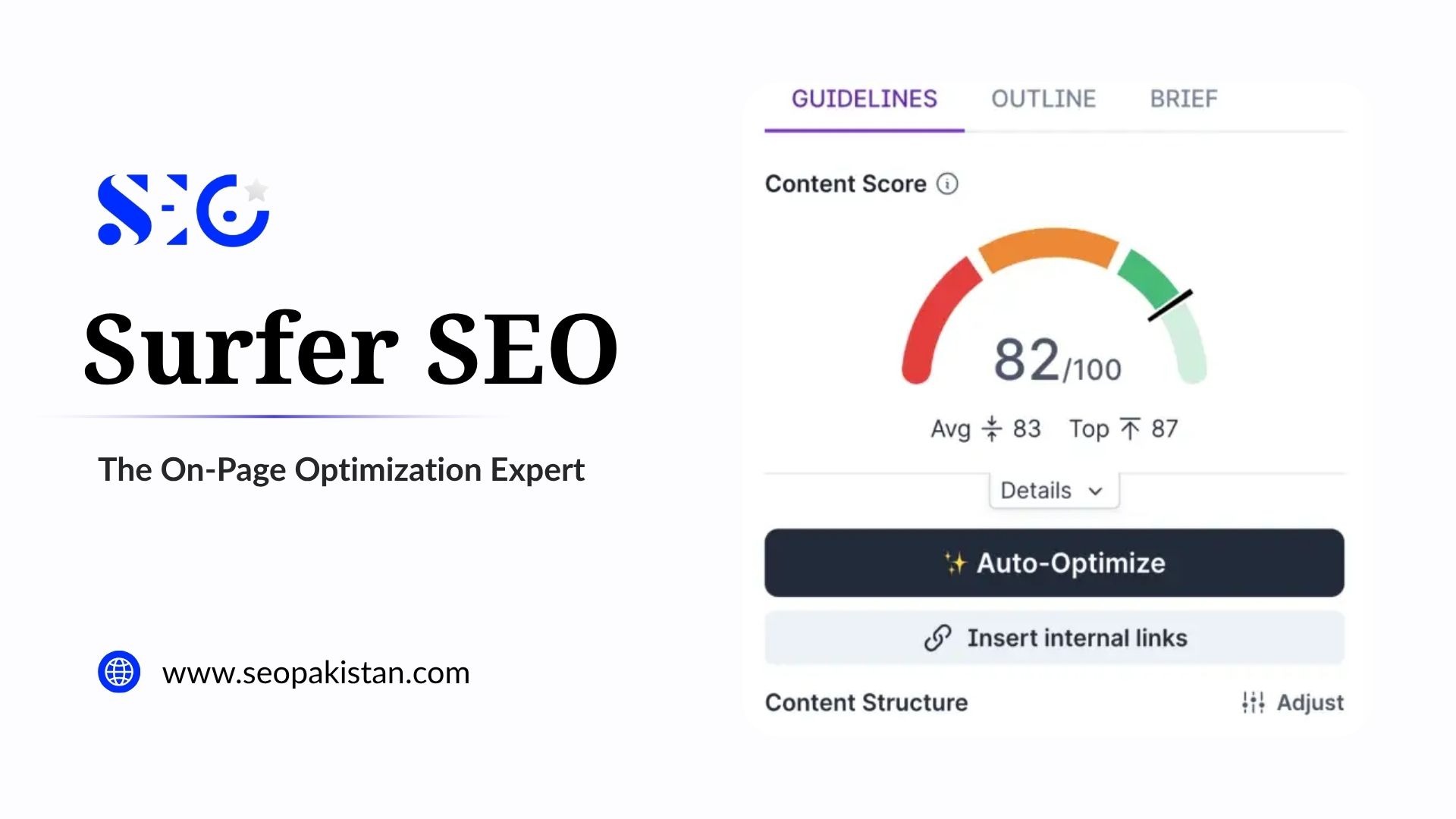
Surfer transforms on-page optimization from guesswork into data-driven decisions. The platform analyzes the top 10 to 20 search results for your target keyword, then delivers serp analysis and real-time recommendations through its Content Editor.
Surfer suggests specific keywords, ideal word counts, and content structure based on what is actually ranking, including guidance on targeting specific serp features like featured snippets.
Pros:
- Highly accurate, data-backed content suggestions
- Intuitive Content Editor with real-time optimization scoring
- Seamless integration with Google Docs and WordPress
Cons:
- Limited functionality for keyword research or backlink analysis
- Expensive for freelancers and small businesses
- Focuses solely on on-page factors, ignoring technical SEO
Exploding Topics: The Trend Spotter
Exploding Topics scans millions of websites, news articles, and search queries to identify topics experiencing significant upward growth trajectories. The platform presents these emerging trends through easy-to-understand growth charts and clear data visualizations.
Why does early trend identification matter? Content creators who spot rising topics before market saturation can establish topical authority quickly and capture organic traffic with less competition.
Pros:
- Discovers content opportunities before mainstream adoption
- Simple, intuitive interface with clear growth visualizations
- Free newsletter delivers consistent, high-value trend insights
Cons:
- Does not include conventional keyword metrics such as search volume or competitiveness
- Free plan offers limited data and customization options
- Requires additional research to validate commercial potential
Screaming Frog SEO Spider: The Technical SEO Powerhouse
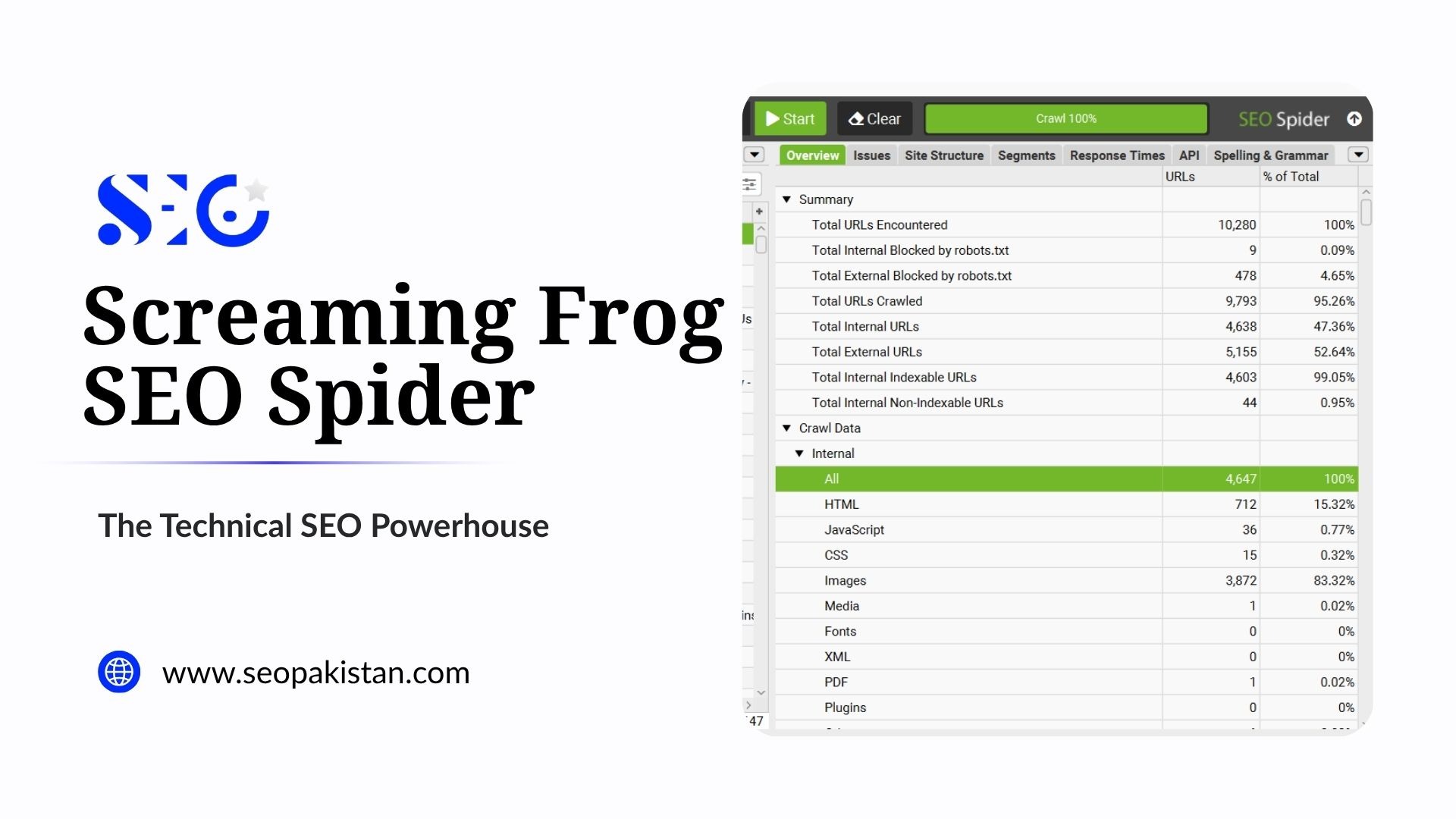
This desktop program crawls website URLs exactly like search engine bots do, running full site audits that catch technical issues from broken links and redirect chains to canonical tags and indexability problems.
The tool identifies missing meta descriptions, flags issues with structured data, and quickly surfaces critical site health issues that directly impact rankings and user experience.
How It Works:
The tool quickly identifies critical site health issues that directly impact rankings and user experience, making it indispensable for technical SEO professionals.
Web developers and SEO specialists rely on Screaming Frog for thorough site analysis that would take hours to complete manually. Its detailed reporting helps prioritize fixes that deliver the biggest ranking improvements.
Pros:
- Extremely accurate with highly customizable audit capabilities
- Free plan supports crawling up to 500 URLs
- Integrates seamlessly with Google Analytics and Search Console
Cons:
- Steep learning curve due to technical complexity
- Resource-intensive for large websites
- Requires technical knowledge to interpret results effectively
AnswerThePublic: The Intent-Based Idea Generator
AnswerThePublic leverages search engine autocomplete data to visualize questions, prepositions, and comparisons people ask around specific keywords. The platform presents this information through unique “search cloud” visualizations that reveal user intent patterns.
This works well alongside dedicated keyword tools for volume and difficulty data, and it fuels a content marketing calendar with real, user-generated questions instead of guesswork.
Pros:
- Excellent for discovering long-tail keywords and content angles
- Visually engaging data presentation aids content planning
- Free access with daily search limits
Cons:
- Missing keyword metrics like search volume or difficulty scores
- Limited daily searches restrict extensive research
- Requires additional tools for complete keyword analysis
seoClarity: The Enterprise-Level AI Assistant
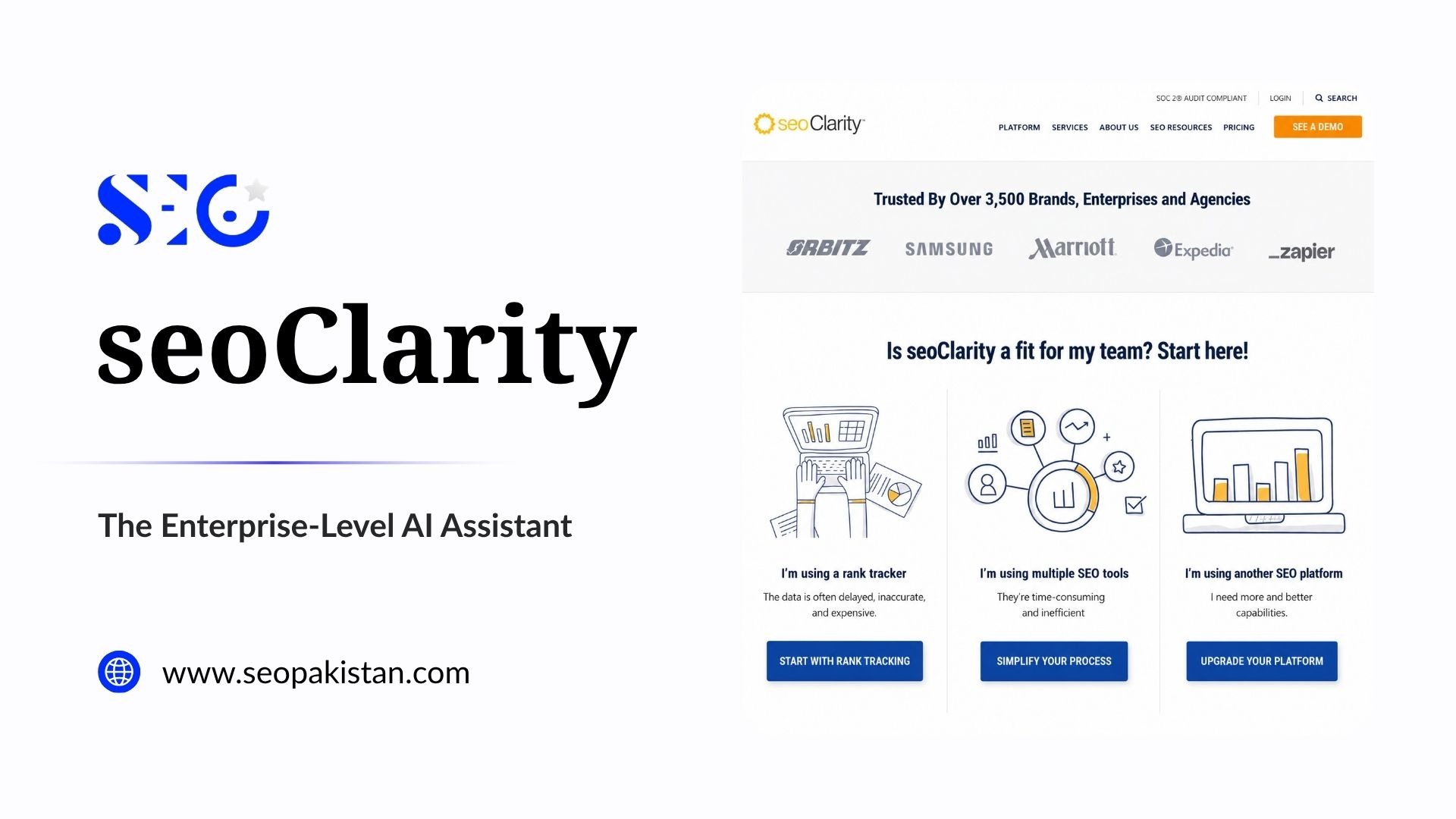
seoClarity combines comprehensive SEO functionality with generative AI through its assistant, Sia. As an enterprise SEO platform, it bundles integrated tools for content creation, rank tracking, and technical auditing instead of forcing teams to juggle five separate logins.
Large-scale operations benefit from unlimited page crawls, api access for custom reporting, and AI-powered content briefs that accelerate campaign execution without sacrificing depth.
Pros:
- A comprehensive, all-in-one platform designed for enterprise scale
- Powerful AI assistant streamlines content creation and optimization
- No limits on page crawls or data analysis
Cons:
- Extremely expensive, prohibitive for small businesses
- A complex feature set requires significant learning investment
- Overkill for simple or small-scale SEO projects
Clearscope: The Content Relevance Grader
The platform provides real-time content scoring along with relevant terms and topics to include, helping writers create comprehensive, contextually rich articles.
Google increasingly rewards content that demonstrates topical authority and comprehensive coverage. Clearscope helps writers match the depth and relevance of top-ranking pages through systematic content optimization.
Pros:
- Highly accurate content relevance scoring and suggestions
- Clean, intuitive content editor simplifies optimization
- Seamless WordPress and Google Docs integration
Cons:
- Expensive considering its narrow focus on content optimization
- No technical SEO or backlink analysis capabilities
- Limited utility beyond content creation and optimization
Similarweb: The Competitive Intelligence Platform
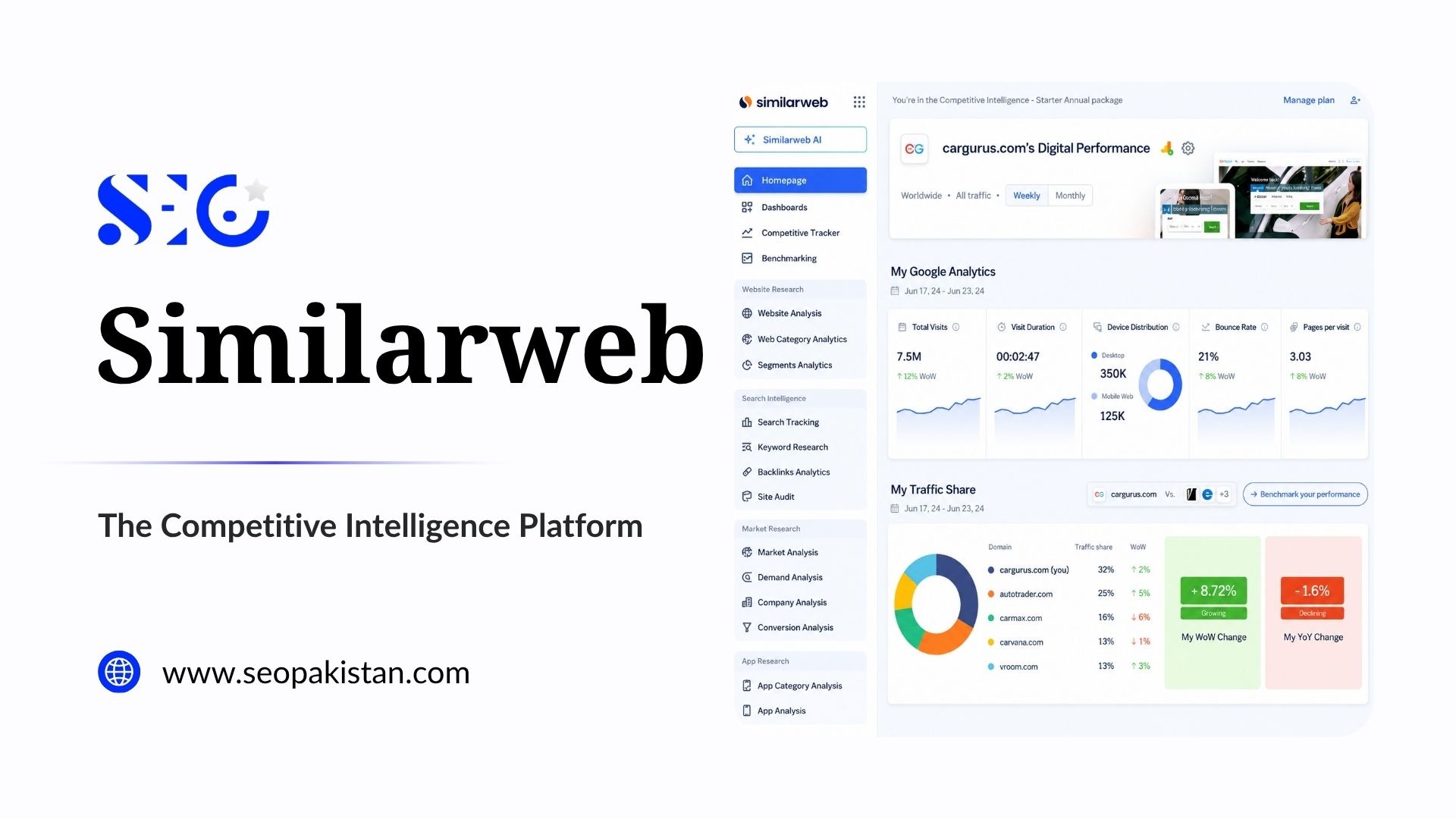
Similarweb aggregates data from multiple sources to provide traffic and engagement metrics for virtually any public website, making it the competitor analysis tool most SEOs reach for first when scoping a new market.
Users enter a URL to access estimated traffic data, audience demographics, and historical data on trends over time, forming a solid competitor research foundation for larger strategies.
Pros:
- Unique insights into competitor traffic strategies and performance
- Access to traffic data for websites you don’t own
- User-friendly interface simplifies competitive research
Cons:
- Data based on estimations, potentially inaccurate for smaller sites
- Most valuable features are locked behind expensive paid plans
- Limited actionability without additional research and tools
SE Ranking: The Comprehensive and Affordable Alternative
SE Ranking delivers full-featured SEO functionality, including a reliable rank tracker, website audits, competitor analysis, and backlink checking, built specifically for busy agencies and independent consultants.
The platform tracks keyword rankings across every client account, includes domain authority tracking in every report, and offers white-label output at prices suitable for freelancers, small agencies, and growing businesses.
Pros:
- More budget-friendly than comparable all-in-one platforms
- Wide feature range within a single platform
- White-label reporting capabilities for agencies
Cons:
- Smaller backlink and keyword databases than premium competitors
- Limited scalability for very large operations
Diib: The Personalized SEO Assistant
Diib connects directly to website analytics to generate personalized growth plans. The platform analyzes site data and creates specific, actionable objectives like “Fix 404 errors” or “Write content about [specific keyword].”
SEO complexity overwhelms many business owners and beginners. Diib simplifies this process by providing clear, prioritized action items that eliminate research paralysis and analysis confusion.
Pros:
- Extremely beginner-friendly with clear, actionable recommendations
- Custom growth plans tailored to individual site needs
- Focus on metrics that drive actual business results
Cons:
- Limited capabilities for complex, in-depth analysis
- Reported accuracy issues with backlink data
- It may be too simplistic for experienced SEO professionals
Mangools: The Beginner-Friendly All-in-One Suite
Mangools offers five specialized tools: KWFinder for keyword research, SERPChecker for analyzing search results, SERPWatcher for tracking rankings, LinkMiner for backlink analysis, and SiteProfiler for evaluating website performance.
SEO beginners often struggle with complex interfaces and overwhelming data presentation. Mangools addresses this through streamlined design and clear metrics that simplify learning while maintaining analytical depth.
New SEO practitioners and small businesses benefit from Mangools’ intuitive approach to essential SEO functions without the complexity that characterizes enterprise-level platforms.
Pros:
- Incredibly intuitive and beginner-friendly interface design
- Affordable pricing compared to comprehensive alternatives
- Excellent for identifying low-competition keyword opportunities
Cons:
- Daily search and data limits on lower-tier plans
- Lacks advanced features needed for complex, large-scale projects
- May require upgrading as SEO needs become more sophisticated
Google Search Console: The Free Essential
Once your site is verified, Google Search Console enables you to connect directly with Google to monitor and enhance your site’s search performance.
Key Features of Google Search Console
The platform offers valuable reports on:
- Search visibility
- Indexing status
- Security or manual action issues
Why Every Website Owner Needs Search Console
Accessing how Google perceives and indexes your site is critical. Search Console provides the most accurate and authoritative data available on:
- Search performance
- Technical issues
Who Can Benefit from Google Search Console?
This tool is designed for everyone, from beginners to experts. It helps by:
- Troubleshooting problems
- Monitoring site performance
- Understanding Google’s interaction with your site
Pros:
- Completely free with the most accurate data directly from Google
- Essential for diagnosing critical indexing and technical problems
- Allows sitemap submission and indexing requests
Cons:
- Limited to basic reporting without advanced SEO features
- Provides data and problems, but minimal solution guidance
- Requires additional tools for comprehensive SEO analysis
Conclusion
The world of popular SEO tools in 2026 is vast, covering everything from AI search visibility to technical audits and local campaign tracking. The right choice is not about chasing the most popular name; it is about finding the platform that fits your budget, skill level, and the specific problems you are trying to solve.
Before committing budget, compare your shortlist against other seo tools in this guide to confirm you are not overpaying for features you will never use. Start with free trials, test the workflow against your actual site, and build your stack from there.
Ready to elevate your SEO strategy to new heights? Let us at SEO Pakistan help you craft a strategy that works. Get in touch today for tailored solutions that drive results!
Frequently Asked Questions
Is a paid SEO tool necessary?
Yes, if you want to be competitive. Paid tools provide in-depth data and advanced features for serious analysis, which free tools cannot match.
What’s a good beginner SEO tool?
Mangools is a great choice for beginners. It’s an affordable, all-in-one suite with a very intuitive interface that simplifies core SEO tasks.
Can I get a good ranking with free tools?
You can improve rankings with free tools like Google Search Console, but they have limitations. Combining free and paid tools is the most effective strategy.
What is a content optimization tool?
A tool like Surfer SEO assists in creating content that aligns with the criteria of high-ranking pages. It provides real-time suggestions and a score as you write.
Which tool helps with technical SEO?
Screaming Frog is a leading tool for technical SEO analysis It crawls your website to find and report on technical errors like broken links and crawl issues.