

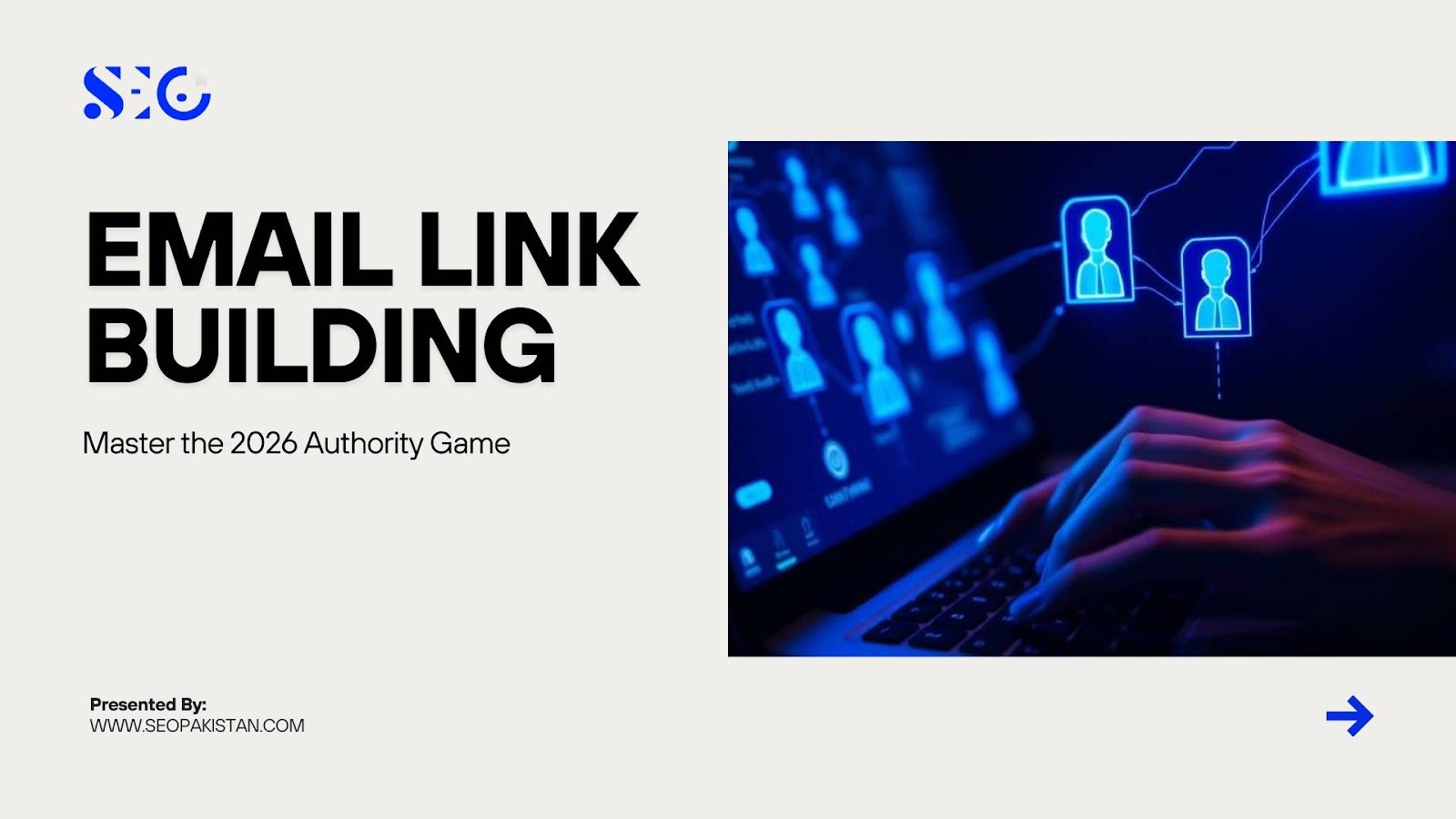
The landscape of search engine optimization changes rapidly. In 2026, email link building through email marketing does not look like it did a decade ago. It is no longer a numbers game. It is an authority game.
Search engines now value “Trust Signals” more than the sheer quantity of links. If you want to rank, you must prove your expertise. The most effective channel to establish this authority is email marketing, but only if executed with precision.
This guide outlines the shift from mass outreach to “Relationship First” link acquisition. We will explore how to secure editorial endorsements, leverage technical protocols, and bypass spam filters to dominate your niche.
The “Relationship First” Link Paradigm
We must rethink what a backlink represents. In the past, it was merely a technical ranking factor. Today, a link is an editorial endorsement.
Search models driven by artificial intelligence analyze the context surrounding a link. They look for relevance, sentiment, and authority. This is where the importance of the “Omnichannel Loop” comes into play. Your email outreach validates your site’s trust signals to these AI models. When a reputable editor opens, engages with, and replies to your email, it signals legitimate business activity.
To succeed, you must integrate these tactics into your broader strategy. This creates a holistic growth engine.
Gap Analysis: Where Rivals Lose the Link Game
Many competitors fail because they rely on outdated playbooks. They waste resources on tactics that editors now ignore.

The “Skyscraper” Burnout
Most marketers still use the “Skyscraper Technique” from 2018. They find popular content, write a slightly better version, and beg for links. Editors recognize this pattern immediately. They auto-archive these emails as spam. Do not replicate content; innovate it.
The Personalization Deficit
Using a “First Name” tag is not personalization. It is basic automation. True personalization requires “Contextual Reference.” You must mention a specific insight from the recipient’s latest white paper or LinkedIn post. Show them you did the work.
Technical Red Flags
Your email infrastructure matters as much as your copy. Many brands neglect DMARC and BIMI authentication. Without these protocols, your deliverability suffers. Editors cannot link to you if they never see your email.
Pillar 1: The “Information Gain” Outreach Strategy
To earn a link in 2026, you must provide “Information Gain.” This means offering something new to the conversation, not just summarizing existing information.
The Unique Value Proposition
Pitch proprietary data. Conduct a survey. Create a case study. Develop an interactive tool. When you pitch data that no one else possesses, you become the primary source. Journalists love data because it supports their narratives.
The Visual Hook
Make it easy for publishers to say “yes.” Provide embeddable charts, infographics, or data visualizations. If a journalist can copy and paste your chart to enhance their article, they will cite you as the source.
Comparison: Traditional Outreach vs. 2026 Authority Building
The difference between old methods and the modern approach is stark. Review the comparison below to understand where to focus your efforts.
| Feature | Traditional Email Outreach | 2026 Email Link Building |
| SEO Ranking Impact | Low (Ignored by Google) | High (Bypasses AI Spam Filters) |
| Outreach Style | Mass-Template “Blasts” | Hyper-Personalized Triage |
| Primary Metric | Number of Links | Referrer Trust & Traffic |
| Link Asset | Standard Blog Post | Original Research/Tools |
| Trust Signal | Plain Signature | Verified Brand (BIMI/DMARC) |
Pillar 2: Relationship Building & Digital PR
Cold pitching is often ineffective without a warm-up. You must build social capital before you ask for a favor.
Social Pre-Outreach
Engage with your prospects before you email them. Follow editors on LinkedIn or X (formerly Twitter). Comment on their posts. Share their work. Do this for seven days before sending your first email. When your name appears in their inbox, it will already be familiar.
The Reciprocity Principle
Give before you take. Offer to share the prospect’s content in your own newsletter first. This establishes goodwill. It changes the dynamic from a request to a partnership.
Podcast & Interview Link Building
Text is not the only medium. Use email to secure guest spots on podcasts. These “Voice Links” are highly indexed by generative search engines. They build authority and often result in high-quality backlinks from the show notes.
Pillar 3: Technical Precision in Link Acquisition
Your technical setup protects your brand. Aggressive outreach can harm your sender’s reputation if not managed correctly.

Protecting the Root Domain
Do not use your main business email for large-scale outreach. Use specialized subdomains. This isolates your outreach activity from your transactional emails. If a subdomain encounters deliverability issues, your main business operations remain unaffected.
Automated Warm-up Protocols
New email accounts look suspicious to spam filters. Ensure every new outreach account undergoes a 14-day engagement period. Specialized tools can simulate natural email conversations to “warm up” the inbox before you send real pitches.
Broken Link 2.0
The old strategy of reporting broken links is tired. The 2026 version offers a “Superior Alternative.” Do not just report the dead link. Provide a replacement resource that includes updated data relevant to the current year. Solve the webmaster’s problem completely.
Case Study Snapshot: 1,500% Traffic Growth
Theory is useful, but results are proof. Here is how we applied these principles for a B2B client.
- The Scenario: A new B2B client entered a high-competition niche with zero backlinks.
- The Tactic: We executed a “Data-First” campaign. We did not pitch a blog post. We pitched the original 2026 industry survey results.
- The Result: The client secured over 50 high-Domain Authority backlinks. This resulted in a 1,543% increase in organic traffic within six months.
Conclusion: Your Roadmap to Digital Dominance
Success in email link building depends on two factors: human connection and technical authority.
You cannot rely on shortcuts. You must verify your technical infrastructure. You must provide genuine value through unique data. You must treat editors as partners, not targets.
In 2026, you do not build links; you build relationships that earn links.
Is your backlink profile stagnant? Contact SEO Pakistan today for a Backlink Strategy Audit and start building the authority your brand deserves.
Frequently Asked Questions (FAQs)
What is link building in email marketing?
Link building in email marketing involves using personalized email outreach to secure high-quality backlinks from authoritative websites. It focuses on building relationships and providing unique value to earn editorial endorsements.
Why is personalization important in email link building?
Personalization shows recipients that you have done your research. Mentioning specific insights or referencing their work increases engagement and trust, making it more likely to secure backlinks.
How does email marketing improve SEO?
Email marketing improves SEO by driving traffic, building trust signals, and earning backlinks. These factors enhance your website’s authority and visibility in search engine rankings.
What are the best practices for email outreach in 2026?
The best practices include hyper-personalized emails, offering unique data or tools, ensuring technical email authentication (DMARC/BIMI), and engaging with prospects on social media before outreach.
How can I measure the success of email link building?
Success is measured by the quality of backlinks earned, increased organic traffic, and improved trust signals like higher engagement rates and domain authority.