

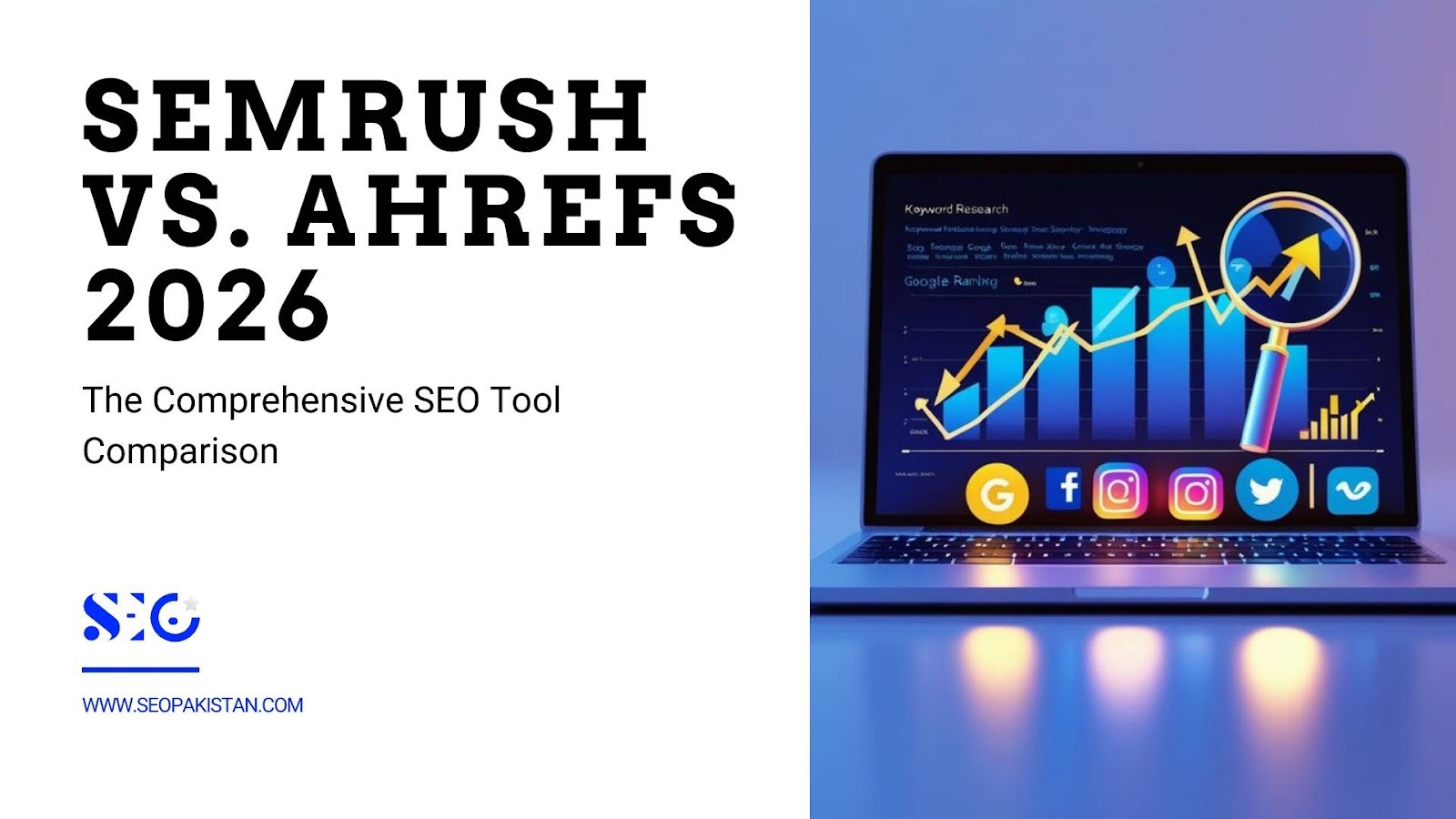
Choosing between Semrush vs Ahrefs has long defined the toolkit of SEO professionals. What began as a rivalry between two powerful data platforms has evolved. In 2026, these are no longer just simple web scrapers; they are sophisticated, AI-driven marketing ecosystems.
Understanding their core philosophies is key to making the right choice. Semrush operates as a “Swiss Army Knife,” offering an all-in-one suite for the omnichannel marketer. Ahrefs, in contrast, functions as a “Precision Scalpel,” designed for the deep, technical work of SEO specialists and link builders.
This comprehensive SEO tool comparison will explore their strengths and weaknesses across critical areas. We will examine how each platform adapts to the new frontier of AI-driven search, compare their keyword research and backlink intelligence capabilities, and analyze their technical audit features. Ultimately, you will have a clear framework for deciding which of these powerful SEO software solutions is right for you.
AI Visibility & LLM Optimization: Breaking New Ground
The standard for any marketing platform review in 2026 is how effectively it tracks non-traditional search and AI-generated answers. Brand visibility within Large Language Models (LLMs) is a critical new battleground.
- Semrush AI Toolkit: Semrush offers a dedicated tracker for brand citations within major AI chat models like ChatGPT, Gemini, and Perplexity. Its powerful Sentiment Analysis feature reveals how these models talk about your brand, giving you insight into whether they actively recommend your products or services. This provides prompt-level insights that are difficult to find elsewhere.
- Ahrefs Brand Radar: Ahrefs focuses on a metric it calls “AI Share of Voice.” It benchmarks how frequently your brand appears in Google’s AI Overviews compared to your competitors. This makes it an excellent tool for high-level brand benchmarking and competitive analysis in the age of Google AI mode.
While both Ahrefs and Semrush are pioneers in this area, Semrush provides more granular data on AI sentiment and specific prompt responses. Ahrefs excels at delivering a clear, competitive overview of your visibility in AI-generated search results.
Keyword Research: Volume vs. Intent vs. Potential
Effective keyword research is the foundation of any successful SEO strategy. Both tools offer powerful keyword research features, but their approaches differ significantly.
- Semrush Keyword Magic Tool: Semrush remains the industry leader in raw database size, boasting over 27 billion keywords. The highlight for 2026 is its Customized Keyword Difficulty (CKD%), tailored to reflect your website’s current authority. This metric adjusts keyword difficulty scores based on your website’s existing authority and strength, providing a more realistic assessment of your ability to rank for a particular keyword. The platform is exceptional for finding keyword ideas and performing in-depth keyword research.
- Ahrefs Keywords Explorer: Ahrefs wins when it comes to evaluating “Traffic Potential.” Instead of just showing the search volume for a single keyword, this tool calculates the total estimated organic search traffic a top-ranking page receives for all the keywords it ranks for. This gives you a much more accurate picture of the potential return on investment for targeting a specific topic. The keyword data and keyword metrics in the Ahrefs keyword database are designed to reveal true traffic value.
While Semrush’s keyword database is larger, Ahrefs’ focus on traffic potential offers a practical advantage for content strategy planning.
Backlink Intelligence: The Link Index War
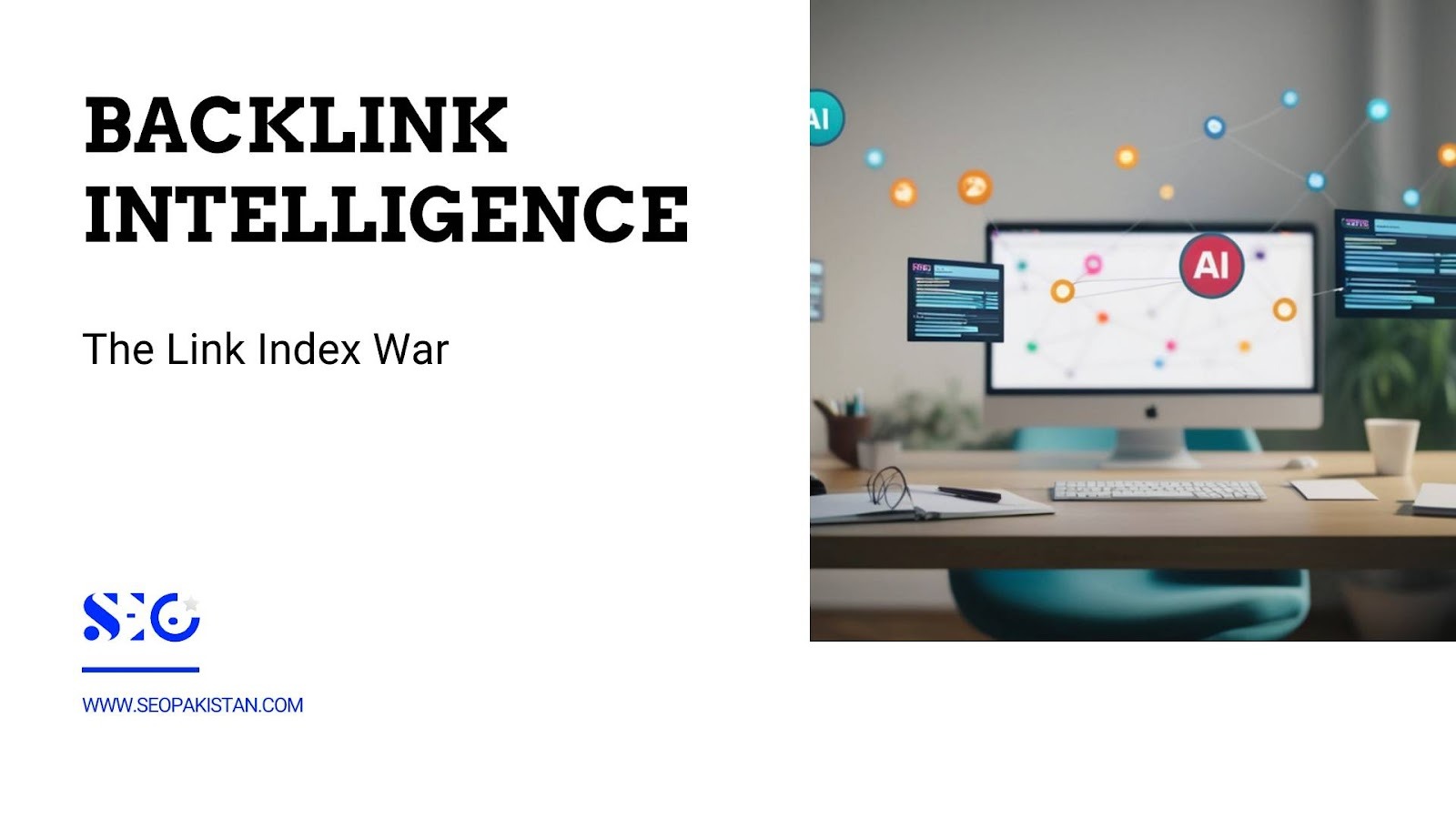
Backlinks remain a top-tier ranking factor for search engines in 2026. A strong backlink analysis tool is essential for understanding and improving your site’s authority.
- Semrush: The Semrush backlink database is massive. Its key advantage is the Backlink Audit tool, which automatically identifies “Toxic Links.” This is crucial for websites recovering from Google’s spam updates or trying to protect their search rankings. The Semrush link-building tool also helps you find new opportunities.
- Ahrefs: Ahrefs is widely considered the “Gold Standard” for the purity and freshness of its backlink data. Its web crawlers are second only to Google’s. The Link Intersect tool is a superior feature for competitive analysis, allowing you to easily identify referring domains that link to your competitors but not to you. This backlink checker provides actionable insights for link acquisition.
For raw backlink data and purity, Ahrefs has a slight edge. For proactive site health and toxic link management, Semrush’s audit tool is invaluable.
Technical Audits & “Always-On” Monitoring
A technically sound website is a prerequisite for achieving high search engine rankings. Both platforms offer comprehensive site audits that check for over 140 technical SEO issues.
- Semrush Edge: Semrush now includes Log File Analysis in its lower-tier plans. This powerful feature allows you to see exactly how Googlebot and other search engine crawlers interact with your site. It helps diagnose indexing problems and optimize your crawl budget, a task once reserved for only the most advanced SEO specialists.
- Ahrefs Edge: Ahrefs’ standout feature is “Always-On” crawling through its Project Boost function. Instead of running periodic site audits, it monitors your website continuously. You receive real-time alerts if a critical on-page SEO element, like a title tag or canonical tag, breaks. This proactive monitoring is a game-changer for maintaining site health.
Head-to-Head Feature Comparison: Semrush vs. Ahrefs 2026
| Feature Category | Semrush (The Suite) | Ahrefs (The Specialist) |
| Primary Focus | Omnichannel (SEO, PPC, Social) | Deep Technical & Link SEO |
| AI Tracking | High (Deep Sentiment & Prompts) | Moderate (Brand Visibility & AIO) |
| Local SEO | Winner (Full Listing Management) | Basic (Keyword Research only) |
| Pricing Model | User-based (Simpler limits) | Credit-based (Usage-sensitive) |
| PPC Intelligence | Advanced Ad History & Budgets | Basic Paid Search data |
| Free Trial | 7-14 Days (Available) | No Free Trial |
Pricing & Value Proposition
The pricing models of these tools reflect their core philosophies.
- Ahrefs Starter ($29/mo): This 2026 plan has become a favorite for solo freelancers and niche site builders. However, it comes with strict credit limits, and heavy usage can lead to unexpected costs.
- Semrush Pro ($139/mo): This plan offers better value for teams and agencies that need an integrated solution. It bundles content marketing tools (like the SEO Content Template and SEO Writing Assistant), social media scheduling, and local SEO features into a single, predictable monthly bill.
The “Credit Trap” is a real concern with Ahrefs. Its usage-based pricing can become unpredictable for agencies managing multiple clients or performing high-volume keyword analysis. Semrush pricing, while higher at the entry-level, is more straightforward for teams.
Decision Matrix: Which Tool Should You Choose?
Your choice between Semrush and Ahrefs depends entirely on your specific needs.

- Scenario A: You run a local business in Lahore or Karachi and need to manage your Google Maps presence. You should choose Semrush. Its comprehensive local SEO features, including listing management, are far superior.
- Scenario B: You are a niche site builder focused on high-authority link acquisition. You should choose Ahrefs. Its best-in-class backlink data and Site Explorer tool are built for this purpose.
- Scenario C: You are a data-driven agency managing both SEO and Google Ads for clients. You should choose Semrush. Its integrated advertising research and PPC data make it the superior all-in-one platform for managing organic search and paid campaigns.
Conclusion: The Final Verdict for 2026
Choosing between Semrush vs Ahrefs in 2026 means deciding what matters most for your SEO goals. If you need an all-encompassing platform for omnichannel marketing, streamlined workflow, and comprehensive local SEO, Semrush is the smart choice. For those who demand precise backlink analysis and detailed technical audits, Ahrefs is unmatched.
Both platforms lead the market with innovative features like AI tracking, powerful keyword research, and competitor analysis tools. Putting your business objectives first will guide you to the perfect SEO toolkit. Ready to boost your rankings and master your digital presence? Dive deeper into Semrush vs Ahrefs, try out their tools, and elevate your SEO strategy today with seo pakistan!
Frequently Asked Questions (FAQs)
SEMrush vs Ahrefs which is better?
SEMrush suits all-in-one marketing with PPC and content tools, while Ahrefs excels at backlink analysis, keyword research, and competitive SEO insights for professionals worldwide.
What is the main difference between Semrush and Ahrefs?
Semrush is an all-in-one marketing suite ideal for omnichannel strategies, while Ahrefs specializes in deep technical SEO and backlink analysis.
Which tool is better for AI-driven SEO insights in 2026?
Semrush excels with its AI Toolkit, offering sentiment analysis and prompt-level insights. Ahrefs focuses on AI Share of Voice for brand benchmarking.
Is Semrush or Ahrefs better for keyword research?
Semrush leads in database size and personalized keyword difficulty, while Ahrefs shines with its traffic potential metric for ROI-focused strategies.
Which SEO tool is more cost-effective for agencies?
Semrush offers integrated tools for SEO, PPC, and social media under one price, while Ahrefs’ credit-based pricing can be unpredictable for high-volume users.
What is the best SEO tool for local businesses?
Semrush is the better choice for local SEO, offering full listing management and Google Maps optimization.