

Email marketing delivers one of the highest returns on investment, with an average ROI of $36 for every dollar spent. By combining email marketing with SEO-friendly email campaigns, you can create a powerful system where search visibility grows your email list, and your emails drive qualified traffic back to optimized content.
This synergy improves user experience, boosts conversions, and reinforces your brand presence at every stage of the funnel.
This guide will teach you actionable strategies to design high-performing emails, optimize landing pages, and create campaigns that support both email and search goals.
Whether you want to increase open rates, boost click-throughs, or drive revenue, these proven techniques will help you achieve measurable results.
What Are SEO-Friendly Email Campaigns?
SEO-friendly email campaigns are crafted to align with your broader SEO initiatives, supporting search-driven funnels to maximize both engagement and conversions. Rather than simply broadcasting promotions or updates, these emails are strategically optimized to guide subscribers through intentional user journeys, ensuring every interaction contributes to your overall marketing goals.
How Email Marketing Supports SEO Goals
- Drives returning visitors to your website content, signaling value and relevance to search engines.
- Increases content visibility and engagement, prompting more shares, backlinks, and organic searches.
- Builds brand trust and authority by maintaining a consistent dialogue with your audience.
- Encourages repeat interactions with your content, nurturing visitors discovered via search through ongoing connections.
Email boosts content visibility by delivering it to engaged subscribers, which can lead to more shares, backlinks, and organic searches. This activity builds brand trust and strengthens your online presence.
Why SEO-Friendly Email Campaigns Improve Conversions
Integrating SEO and email marketing offers a powerful way to enhance your conversion funnel. By aligning your messaging and creating a seamless user journey, you build trust and guide prospects from initial discovery to final action. This synergy not only reinforces your brand but also maximizes the impact of both channels.
Here’s how SEO-friendly email campaigns boost conversions:
- Reinforce Brand Recognition: Consistent messaging across search and email builds familiarity and trust, making prospects more likely to open emails, click through, and convert.
- Improve User Journey Continuity: When someone finds your content via search and receives relevant follow-up emails, they experience a smooth, cohesive journey, reducing friction and moving them through your funnel.
- Build Trust and Engagement: Regular, valuable communication positions your brand as a helpful resource, fostering a relationship that leads to higher conversion rates over time.
- Encourage Repeat Visits: Directing subscribers back to high-value, optimized content creates more conversion opportunities while boosting engagement metrics that support your SEO efforts.
How to Create SEO-Friendly Email Campaigns?
Step 1 – Define Campaign Goals & Conversion Objectives
Define clear key performance indicators that match your objectives. These might include click-through rates, conversion rates, revenue per subscriber, or lead generation numbers. Having concrete metrics allows you to measure performance accurately and make data-driven improvements.
Align your email campaigns with specific SEO funnel stages:
- Nurture awareness-stage prospects who just discovered your brand through search.
- Guide consideration-stage subscribers toward deeper engagement with optimized content.
- Motivate decision-stage subscribers to complete a purchase or conversion action.
Define key performance indicators (KPIs) that clearly measure campaign success:
- Track click-through rates (CTR) to gauge engagement.
- Monitor conversion rates to assess effectiveness in driving desired actions.
- Measure revenue per subscriber and lead generation numbers to evaluate business impact.
Step 2 – Understand Search Intent & Audience Behavior
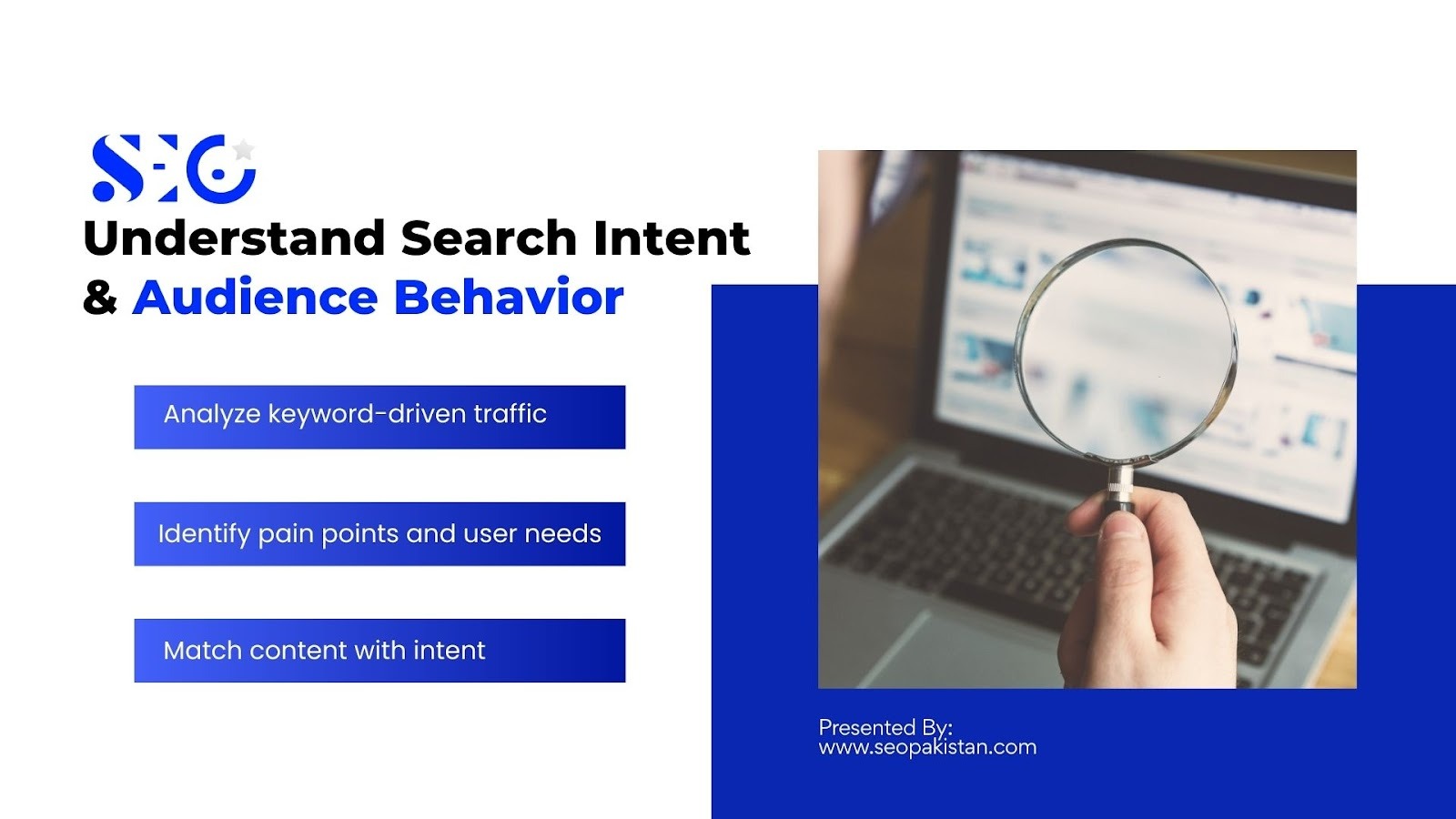
Analyze the keyword-driven traffic that feeds your email list. What search queries are people using? What problems are they trying to solve? This information reveals the mindset of your audience and provides valuable context for email messaging.
- Analyze keyword-driven traffic: Use tools like Google Analytics or your SEO platform to see which search queries bring users to your website. Pay close attention to the keywords that lead to high sign-up rates on your landing pages.
- Identify pain points and user needs: Look at your most popular blog posts, FAQ pages, and customer support tickets. What recurring questions or problems do you see? Use this information to understand what solutions your audience is actively seeking.
- Match content with intent: Create email content that directly answers the questions and solves the problems you identified. If people are searching for “how to improve email open rates,” send them an email with a subject line like “3 Ways to Boost Your Open Rates Today,” linking to a relevant guide or tool.
Go beyond demographics and examine actual behavior. Review which content pieces generate the most email signups. Look at browsing patterns, purchase history, and engagement levels.
Step 3 – Build a Targeted & Segmented Email List
Segment your list based on multiple criteria. Behavior-based segments might include recent purchasers, content downloaders, or webinar attendees. Interest-based segments group people by product category preferences or content topics they engage with most.
- Segment by behavior and interests: Group subscribers by their purchase history, content downloads, webinar attendance, or preferred topics.
- Target by lifecycle stage: Tailor your messaging for new leads, active customers, or at-risk contacts.
- Personalize content: Customizing emails for specific segments boosts open rates, clicks, and conversions.
Step 4 – Craft SEO-Aligned Subject Lines & Preview Text
When appropriate, use keywords in your subject lines to create consistency for subscribers who found you through search, but don’t force them. The best subject lines clearly communicate value and spark curiosity without using clickbait.
- Use keywords naturally: For example, if you’re targeting fitness enthusiasts, try a subject line like “Boost Your Workout: 5 Easy Nutrition Tips” and preview text like “Discover simple ways to fuel your fitness goals today.”
- Highlight clear benefits: Use subject lines like “Save 25% on Your Next Order – Today Only” with preview text such as “Enjoy exclusive discounts and get the products you love for less.”
- Create curiosity without clickbait: Try a subject line like “Are You Making This Common Productivity Mistake?” with preview text like “Find out how to stay focused and get more done without burning out.”
Step 5 – Design Emails for UX & Engagement
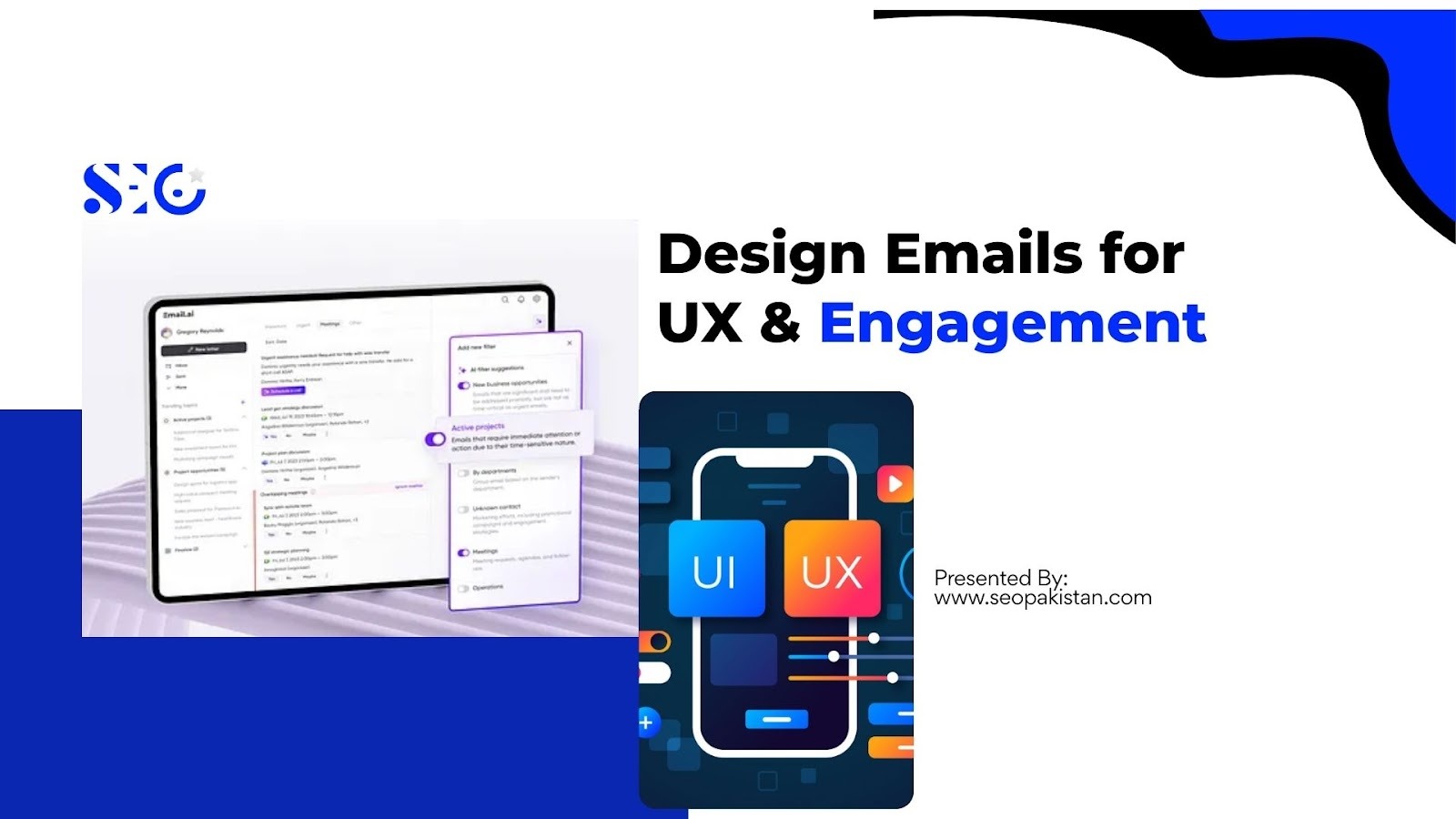
Mobile-first design and scannable formatting are essential for email success. With over half of emails opened on mobile devices and most people skimming rather than reading, optimizing your emails for usability and readability is crucial. Here’s how to make your emails more effective:
- Use responsive templates: Ensure your emails adapt to different screen sizes and display properly on smartphones. Test them thoroughly across devices.
- Keep formatting scannable: Use short paragraphs, bullet points, subheadings, and plenty of white space to make your content easy to skim.
- Create a clear visual hierarchy: Highlight your key message and call-to-action so they stand out.
- Maintain brand consistency: Use consistent colors, fonts, and visuals to build trust and recognition.
Step 6 – Create Conversion-Focused Email Content
Lead with a clear value proposition that immediately tells recipients why they should keep reading. What specific benefit will they gain? How does this email solve a problem or improve their situation?
Keep messaging concise to respect your subscribers’ time. When crafting SEO-friendly email campaigns, every sentence should serve a purpose. Ruthlessly cut any fluff or filler that doesn’t advance your core message or support your conversion objective.
- Clear value proposition: Start with a compelling reason for recipients to continue reading. What specific benefit will they gain, or how does your email address a pressing need?
- Concise messaging: Use short, direct sentences and avoid unnecessary filler. Every word should advance your core message or support your conversion goal.
- Benefit-driven copy: Focus on the positive outcomes for the reader, not just product features. Make it clear how your offer solves a problem or improves their situation.
- Persuasive microcopy near CTAs: Add a brief, encouraging line by calls-to-action that addresses potential objections and reinforces the reward for clicking.
Step 7 – Link to Optimized Landing Pages
To drive higher conversions, align your email campaigns with targeted landing pages. A seamless experience builds trust, reduces confusion, and keeps visitors focused on the action you want them to take.
- Ensure message consistency: Match the headline, design, and offer on the landing page to the email so visitors feel a cohesive flow. For example, if your email promotes a 20% discount, ensure the landing page prominently displays the same discount and design elements from the email.
- Use campaign-specific landing pages: Avoid sending traffic to generic homepages. Instead, tailor pages to specific campaigns with one clear goal. For example, if the email promotes a webinar, create a landing page solely focused on webinar registration with details and a sign-up form.
- Simplify the conversion process: Design for clarity and ease. Minimize steps and distractions to make actions like signing up or purchasing quick and straightforward. For instance, limit form fields to essentials like name and email, and remove unnecessary navigation links.
- Optimize for audience segments: Customize your landing pages to resonate with the unique needs of the target audience. For example, if you’re targeting small business owners, highlight features or offers most relevant to them, such as cost-saving benefits or free consultations.
Step 8 – Optimize CTAs for Higher Click-Through Rates
Use action-oriented, benefit-focused language like “Start Your Free Trial.” Ensure your CTA stands out with contrasting colors and place it strategically, preferably above the fold. Stick to one primary CTA per email to avoid overwhelming subscribers.
- Action-oriented language: Use clear words that tell readers exactly what will happen when they click, such as “Get Your Free Guide” instead of “Click Here.”
- Strong visual contrast: Make your CTA button stand out by using colors that pop against your email background.
- Strategic placement: Position your primary CTA above the fold whenever possible so subscribers see it without scrolling.
- One primary CTA focus: Limit yourself to one main call-to-action per email to prevent decision paralysis and keep subscribers focused on a single action.
Key Elements of High-Converting SEO-Friendly Emails
Creating effective emails isn’t just about catchy subject lines—it’s about delivering value while ensuring a seamless user experience. From getting recipients to open your email to guiding them toward action, every element matters. Here’s how you can optimize your email strategy:
Subject Lines That Improve Open Rates
Your subject line needs to accomplish multiple goals simultaneously. It must create curiosity that makes recipients want to learn more. It should communicate relevance so people understand why this message matters to them specifically.
- Relevance and personalization
- Urgency and curiosity
- Clarity of benefit
Email Design That Enhances UX
Superior email design prioritizes the reader experience above all else. Mobile-first layouts ensure your emails look great regardless of device. Generous white space prevents overwhelm and improves readability.
- Mobile-first layouts
- Readability and spacing
- Clean visual hierarchy
Optimized Content Structure
How you structure your email content determines whether people engage or bounce. Scannable formatting using short paragraphs, bullet points, and subheadings makes it easy to extract key information quickly. Clear messaging that gets to the point respects subscribers’ time.
- Short paragraphs
- Scannable formatting
- Clear messaging
Take Your Email Campaigns to the Next Level
Combining SEO and email marketing creates a powerful ecosystem. SEO brings in qualified search traffic, while email nurtures those leads. For this to work, you need consistency. The user experience must be seamless, from the initial search to the landing pages they visit from your emails. This alignment, combined with strategic conversion optimization, is key to long-term success.
Stop treating SEO and email as separate channels. Start building SEO-friendly email campaigns that drive real results and create compounding growth. Ready to integrate your strategies and see a significant return?
Visit seopaistan.com to learn how we can help you bridge the gap between search and email, turning prospects into loyal customers.
Frequently Asked Questions
What makes an email campaign SEO-friendly?
An SEO-friendly email uses relevant keywords and links to optimized content. This aligns messaging across all your channels to support your broader SEO and marketing goals.
How do email campaigns support search traffic growth?
Email campaigns drive repeat visits to your website, sending positive signals to search engines. They also increase content visibility by putting your material in front of interested audiences who may share it or link to it.
Should emails link to blog posts or landing pages?
This depends on your campaign goal. For conversion-focused campaigns, link to dedicated landing pages; for educational nurture campaigns, linking to relevant blog content builds authority and provides value.
What design elements improve email conversions?
Use mobile-responsive layouts, clear visual hierarchy, and scannable formatting. High-contrast CTA buttons and ample white space also help drive clicks and improve the user experience.
How often should marketing emails be sent?
Email frequency depends on your audience and industry. Start with a consistent schedule and monitor engagement metrics, adjusting the frequency based on how your audience responds.