

You have spent months perfecting your on-page SEO. You wrote stellar content. You optimized every meta tag. Yet, your site remains stuck on Page 2 of the search results. Why does this happen?
It is because you have built a beautiful store in the middle of a desert.
Most site owners focus inward. They obsess over site structure and technical SEO. However, high-ranking sites focus outward. They understand that Google views the web as a popularity contest. An off-page SEO audit is not just about counting links. It is about measuring the “digital reputation” of your brand.
This guide provides a comprehensive master framework. We will move beyond basic metrics. We will explore how to dominate authority and secure the search rankings you deserve.
The “Inner Circle”: 8 Secret Tips for Comprehensive Backlink & Authority Analysis
To make this post unique, we will look “under the hood.” These are the secrets experts use to analyze a backlink profile.
The “Ghost Link” Discovery
Many high-authority news sites might mention your brand without linking to it. These are unlinked brand mentions. Do not ignore them. They represent lost link equity. You can reach out to these editors. Ask them to turn the mention into a link. This is often the easiest way to gain high-quality backlinks.
The “Link Neighborhood” Toxicity Check
Spam Score is not the only metric that matters. You must look at who your linkers are linking to. If a site links to you but also links to gambling or pharmaceutical sites, it is a bad neighborhood. This toxicity can hurt your site’s authority.
The Competitor “Reciprocity” Map
Analyze your competitors. Are they using “Link Wheels”? This is where Site A links to Site B, which links to Site C, and then back to A. Identifying this pattern helps you understand their strategy. You can then safely out-maneuver them without risking a penalty.
Reverse Engineering “Linkable Assets”
Find the exact content that made your competitors go viral. Look for infographics or data studies. Create something better. This is not just copying; it is improving.
The Author Entity Secret
Google is smart. It associates your guest posts with your brand even without a direct link. This builds your “Entity” in the Knowledge Graph. Ensure your author bio is consistent across all platforms.
The “Resource Page” Hijack
This is a tactical method. Find broken links on university (.edu) and government (.gov) sites. These are high-authority domains. Reach out to the webmaster. Suggest your working resource as a replacement.
Anchor Text “Naturalization.”
Avoid over-optimizing your anchor text. If every link says “best seo audit tool,” Google will penalize you. Maintain a natural ratio. Use branded anchors mixed with keyword-rich ones.
The “Referrer Diversity” Hack
Links from 10 different industries carry more weight than 100 links from the same niche. Google values diversity. It shows your content has a broad appeal.
How an Off-Page SEO Audit Actually Works
A comprehensive SEO audit follows a strict process. Here is the step-by-step breakdown.
Step 1: Inventory
Use tools like Google Search Console, Ahrefs, or Semrush. Export every single referring domain. You need a complete list of incoming internal links and external backlinks.
Step 2: Filtering
Categorize your links.
- Power: High authority, relevant sites.
- Passive: Low authority but harmless.
- Poison: Toxic backlinks that need removal.
Step 3: Gap Analysis
Compare your domain authority assessment against the top 3 SERP leaders. Where do they beat you? Is it quantity or quality? This gap analysis provides valuable insights.
Step 4: Action Plan
Transition from analysis to action. Create a link-building audit roadmap. This plan should prioritize acquiring high-quality links that move the needle.
Why is an Off-Page SEO Audit Vital for Your Survival?
Trust & E-E-A-T
Google emphasizes Experience, Expertise, Authoritativeness, and Trustworthiness (E-E-A-T). Without external SEO factors, Google cannot verify your trustworthiness. Links act as votes of confidence.
The Ranking Catalyst
Off-page signals act as a multiplier. Your on-page optimization sets the stage. Off-page SEO fills the seats. It amplifies your efforts and pushes you up the search engine rankings.
Protecting Your Asset
Negative SEO is real. Competitors may build spammy links to your site. An audit helps you identify these attacks. You can disavow bad links before they de-index your site.
Anatomy of a Winning Audit: What Does it Look Like?
Visualizing the Data
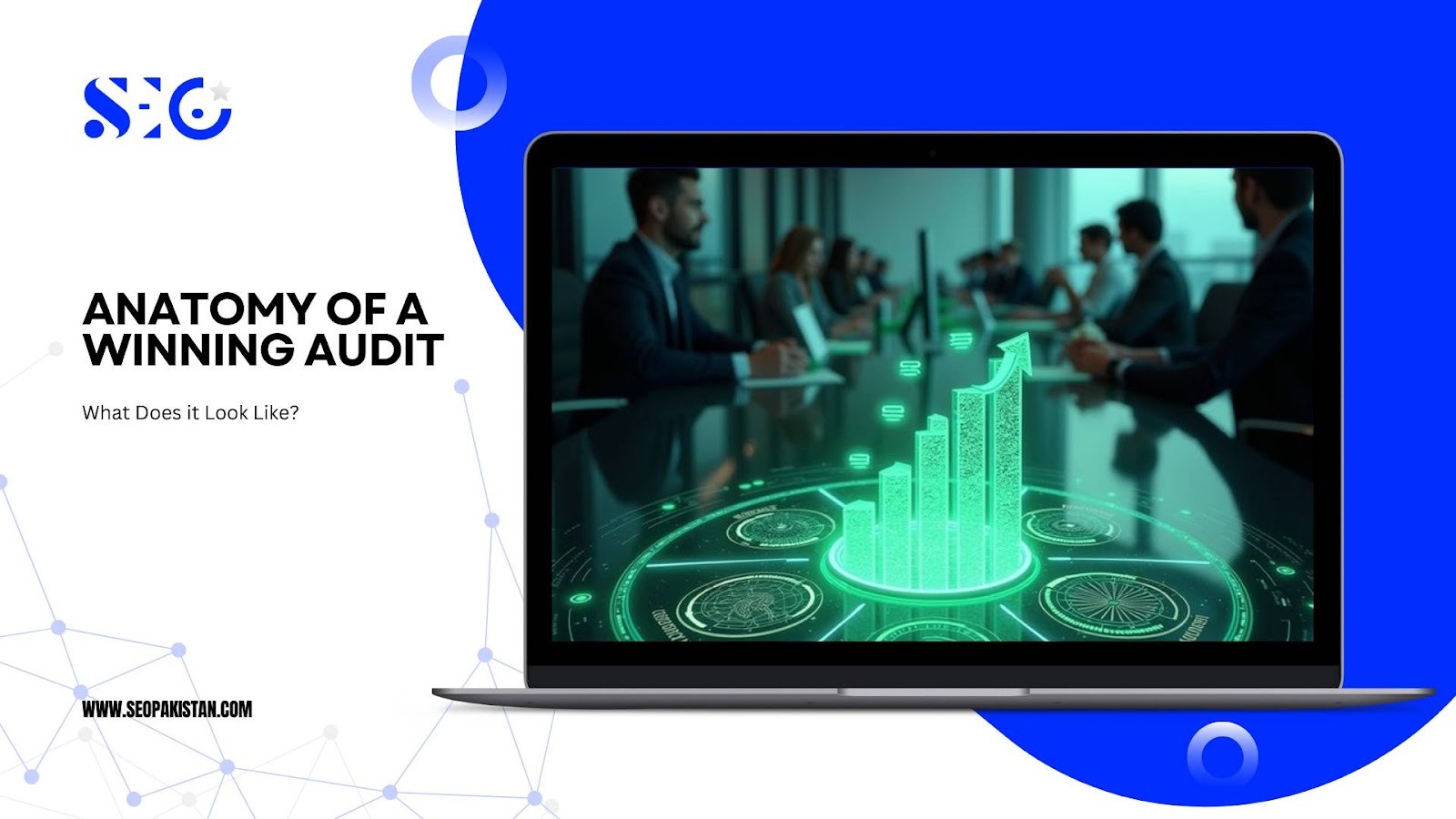
A professional audit is not just a list. It is a visualized spreadsheet. It highlights trends over time. It shows the velocity of new links versus lost links.
The “Health Score”
Assess the overall health of your link profile. A high number of links means nothing if they are all low quality. A health score gives you a quick benchmark.
Entity Mapping
Is your brand in Google’s Knowledge Graph? Check if Google recognizes you as an entity. This is crucial for modern search results.
Strategic Execution: How to Improve and Get High-Quality Backlinks
The Skyscraper 2.0
Find competitor content that has performed well. Create a version that is ten times better. Add new data. Update outdated information. Then, outreach to the people who linked to the original piece. Pitch your “Value-First” content.
Niche Edits vs. Guest Posts
- Niche Edits: Adding a link to an existing article. This often provides faster results as the page already has age and authority.
- Guest Posts: Creating new content on another site. This is great for brand awareness and building relationships.
PR & Media Outreach
Position your brand as a source. Use platforms like HARO (Help A Reporter Out) or Connectively. Journalists constantly look for expert quotes. This can earn you links from massive media outlets.
The Business Impact: Growth & Conversion
Understanding Business Improvement
An audit leads to “Discovery Traffic.” This is traffic that finds you via other sites, not just Google Search. It diversifies your audience.
Page Speed & Off-Page?
Referral traffic quality impacts user behavior. If users click a link and your site loads slowly, they leave. This high bounce rate hurts your page speed conversion metrics and indirect SEO scores.
Why You Need to Optimize
Prevent “Link Leakage.” Ensure every external click leads to a conversion-optimized landing page. Do not send traffic to broken pages.
7 Key Benefits of Implementing Off-Page SEO Audit Strategies
- Explosive Growth in Domain Authority (DA): Elevate your site’s competitive standing against industry giants.
- Increased Referral Traffic: diversify your traffic sources beyond just organic search.
- Brand Recognition: Become a household name in your industry.
- Faster Indexing: High-authority links act as “crawling shortcuts” for Googlebot to find your new pages.
- Market Leadership: Establish a “moat” around your business that competitors cannot easily cross.
- Better Keyword Rankings: Achieve higher rankings for competitive, high-revenue keywords.
- Long-Term Stability: Unlike ads that stop when you stop paying, high-quality links provide value for years.
Summary Table: Off-Page SEO Audit Breakdown
| Audit Component | Key Focus Area | Desired Outcome |
| Backlink Profile Analysis | Quality vs. Quantity | Removal of toxic links; identifying power links. |
| Referring Domains Analysis | Diversity and Relevance | Ensuring links come from trusted, relevant niches. |
| Domain Authority Assessment | Competitive Benchmarking | Closing the gap between you and the #1 spot. |
| Entity & Brand Audit | Knowledge Graph & Mentions | Strengthening brand recognition and E-E-A-T. |
| Link Building Audit | Past Performance & Future Gap | A roadmap for future high-authority acquisitions. |
Conclusion & Next Steps
Off-page SEO is not a “set and forget” task. It is an ongoing battle for authority. A thorough SEO audit is the first step toward reclaiming your traffic.
Do not let your competitors dominate the search engine results pages. Take control of your digital reputation.
Ready to dominate the rankings? Start your audit today to unlock the hidden potential of your business in the global market with seo pakistan.
Frequently Asked Question
What is Off-Page SEO?
Off-Page SEO refers to actions taken outside your website to improve its authority, relevance, and search engine rankings, such as link building, social media engagement, and brand mentions.
Why is Off-Page SEO important?
It boosts your site’s authority, helps improve search engine rankings, and drives more organic traffic by building trust and credibility through external signals.
What are examples of Off-Page SEO techniques?
Common techniques include backlink building, guest blogging, influencer outreach, social media marketing, and leveraging local directory listings.
How do backlinks impact Off-Page SEO?
Backlinks act as votes of confidence for your site. High-quality, relevant backlinks improve your site’s authority and search engine rankings.
How can I check my Off-Page SEO performance?
Use tools like Google Search Console, Ahrefs, or Semrush to analyze your backlink profile, referring domains, and overall domain authority.