

Traditional keyword research is no longer sufficient. Search engine result pages are now driven by advanced artificial intelligence, and zero-click searches are more common. This new landscape presents a significant opportunity.
Businesses can gain a competitive edge by establishing niche authority. To achieve this, you must shift your focus from simple keyword volume to a more sophisticated understanding of persona-driven search intent.
This post will guide you through the future of SEO keyword research. We will explore advanced analysis methods and show you how to build topical authority to secure top rankings.
Understanding the Modern Keyword Landscape
Search engines have evolved. They now use semantic search to understand the meaning and context behind a user’s query. This is made possible by Natural Language Processing (NLP), which helps algorithms decipher the intent behind the words people use.
This evolution marks a critical change in keyword analysis. The focus has shifted from analyzing Latent Semantic Indexing (LSI) keywords, which are related terms, to identifying “entities.” An entity is a well-defined person, place, thing, or concept. Google now prioritizes understanding the relationships between these entities to deliver more accurate results.
While LSI keywords still have a place in your keyword strategy, the deeper understanding of entities is what now separates successful search term research from outdated methods. Effective keyword discovery tools and a nuanced search volume analysis are essential components of this modern approach.
Advanced Keyword Analysis Methods for 2026
To stay ahead, your keyword analysis must become more strategic and data-driven. Relying on basic metrics is a recipe for falling behind. Embrace these advanced methods to uncover high-value opportunities.
AI-Powered Discovery
Large Language Models (LLMs) are powerful tools for brainstorming. You can leverage them to identify high-intent keywords with minimal or no search volume. These are highly specific queries that traditional tools might miss because they have little to no monthly search data. However, these terms often indicate a strong B2B or B2C pain point and signal high purchase intent.
The Competitor Gap Analysis
Analyzing your competitors provides a wealth of information. Your goal is to identify their weak spots and capitalize on them.
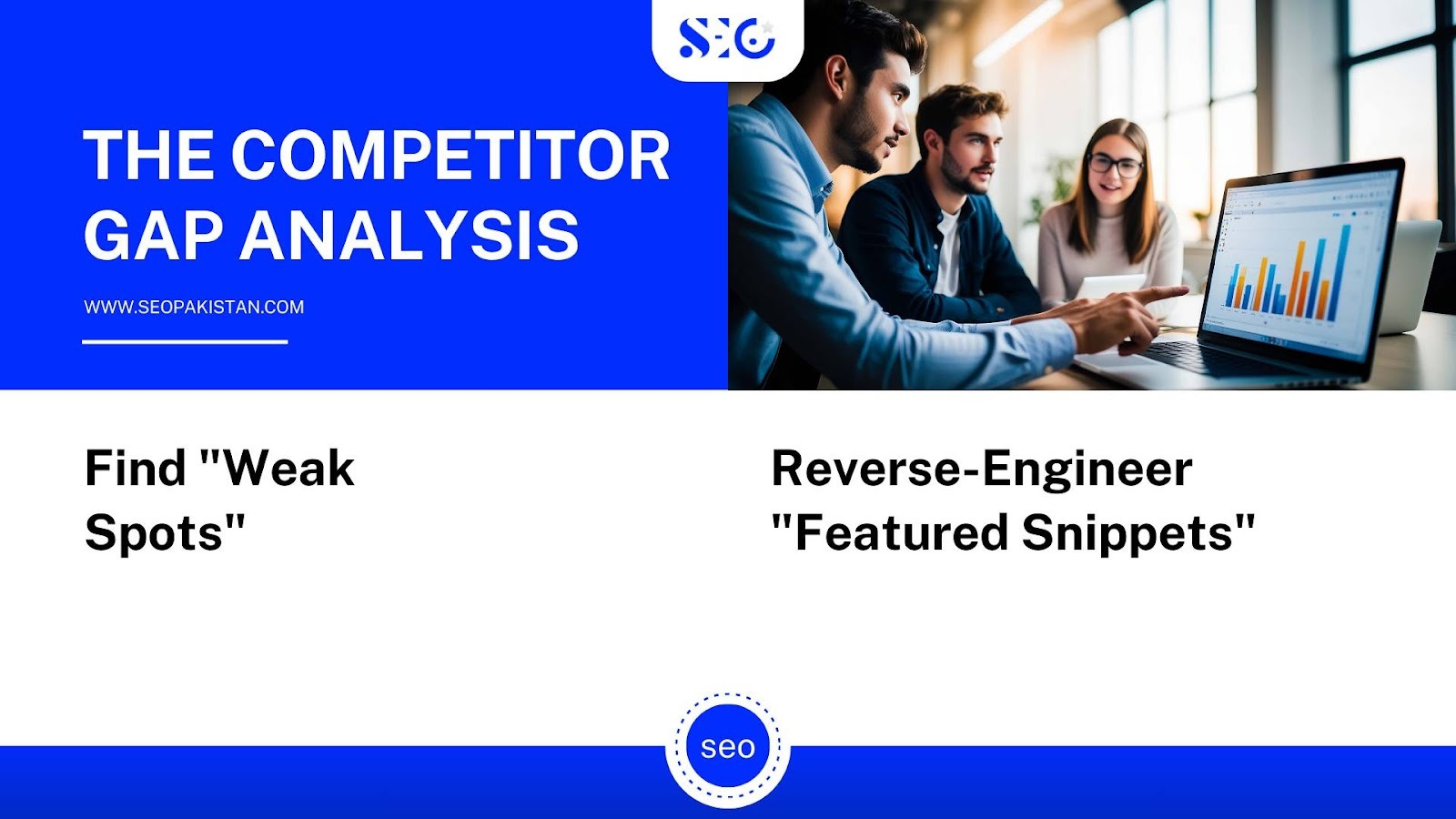
- Find “Weak Spots”: Look for important keywords where your competitors are ranking on the second page of search results. Also, identify content that is more than two years old. Outdated information presents a clear opportunity for you to provide a fresh, more relevant resource.
- Reverse-Engineer “Featured Snippets”: Study the content that currently holds the “Position Zero” spot or appears in AI Overviews. Analyze its structure, format, and language to understand what triggers these prominent placements. This allows you to optimize your own content to capture them.
Search Volume vs. Visibility KPIs
High search volume is not always the most important metric. A generic term with 10,000 monthly searches might bring a lot of traffic with low engagement. In contrast, a specific, high-intent keyword with only 100 monthly searches can be far more valuable.
This is because the users searching for it are often closer to making a purchase decision. Prioritize keywords that align with key performance indicators (KPIs) for visibility and conversion, not just traffic volume.
Strategic SEO Keyword Research Matrix
Understanding the different types of keywords and their corresponding user intent is crucial. This matrix breaks down how to approach your keyword strategy in 2026.
| Keyword Type | Focus / Intent | Example Query | 2026 Strategy |
| Informational | Learning / Education | “How to do SEO keyword research.” | Optimize for AI Overviews and Featured Snippets with clear, direct answers. |
| Commercial | Comparison / Research | “best keyword discovery tools 2026” | Use comparison tables and “X vs. Y” formats to help users decide. |
| Transactional | Ready to Buy / Hire | “SEO agency Pakistan price” | Optimize for high page speed and clear calls-to-action to facilitate conversion. |
| Navigational | Brand Seeking | “Ahrefs login” | Ensure strong brand authority and flawless technical SEO for brand-related queries. |
| Conversational | Voice / AI Search | “What is the best way to find keywords?” | Structure content with H2 headings as questions and H3 subheadings as direct answers. |
Closing the “Gap”: Competitor Weaknesses to Exploit
Many competitors leave openings that you can exploit. Focus on these three common gaps to differentiate your content and climb the rankings.
- Lack of Real-World Experience: A significant amount of online content is generic and lacks originality. You can stand out by providing genuine value. Include original case studies, data, and screenshots from your own work. This demonstrates authentic expertise and builds trust with your audience.
- Poor Technical Foundations: Even the best content will struggle to rank if the website has technical issues. Many competitors neglect foundational SEO. You can gain an advantage by conducting regular content audits to remove or update underperforming pages, ensuring your site is lean and effective.
- Slow Speed and Poor User Experience: Users expect websites to load quickly. If a page is slow, visitors will leave before they even have a chance to read your content. Implement page speed conversion techniques to ensure a fast, seamless user experience that keeps people engaged.
Building Topical Authority with Internal Linking
To rank for a competitive term like “SEO keyword research,” you must prove your expertise across the entire topic. A smart internal linking strategy is key to demonstrating this holistic understanding to search engines. You are not just creating one article; you are building a cluster of related content that reinforces your authority.
Link your main article to other relevant content on your site. This shows search engines that you have a deep well of knowledge on the subject.
- Connect your audience to a review of popular SEO tools to help them automate their discovery process.
- Guide them to an article on optimizing landing pages for page speed conversion, helping them maximize the return on their organic traffic.
- Direct them to your content audit guide so they can perform quarterly reviews and identify decaying keywords.
Conclusion: Your Roadmap to First-Page Rankings
SEO keyword research is no longer a task you complete once. It is a continuous cycle of discovery, clustering, and refinement. To succeed, you must constantly analyze performance, adapt to changes in search behavior, and identify new opportunities.
As you move forward, prioritize creating genuinely helpful content. Your primary goal should be to answer the user’s question thoroughly and concisely, preferably within the first 100 words of your article.
This approach not only satisfies your audience but also increases your chances of being featured in AI Overviews and earning valuable citations from search engines. This is the path to sustainable, first-page rankings.
Ready to take your SEO strategy to the next level? Visit our website seo pakistan for expert SEO services, or explore our comprehensive library of resources on the website to empower your growth and authority in search.
Frequently Asked Questions
What is SEO keyword research?
SEO keyword research is the process of identifying and analyzing the search terms people use to find information online. It helps optimize content to match user intent and improve search engine rankings.
Why is keyword research important for SEO?
Keyword research is crucial for understanding user intent, targeting the right audience, and creating content that ranks higher in search engine results.
How do I find the best keywords for SEO?
Use keyword discovery tools, analyze search volume, and focus on long-tail keywords with high intent. Consider semantic search and related entities for better results.
What are long-tail keywords in SEO?
Long-tail keywords are specific, multi-word phrases that target niche audiences. They often have lower search volume but higher conversion potential.
How has keyword research evolved with semantic SEO?
Semantic SEO focuses on understanding the context and intent behind search queries. It emphasizes entities and relationships rather than just matching exact keywords.