

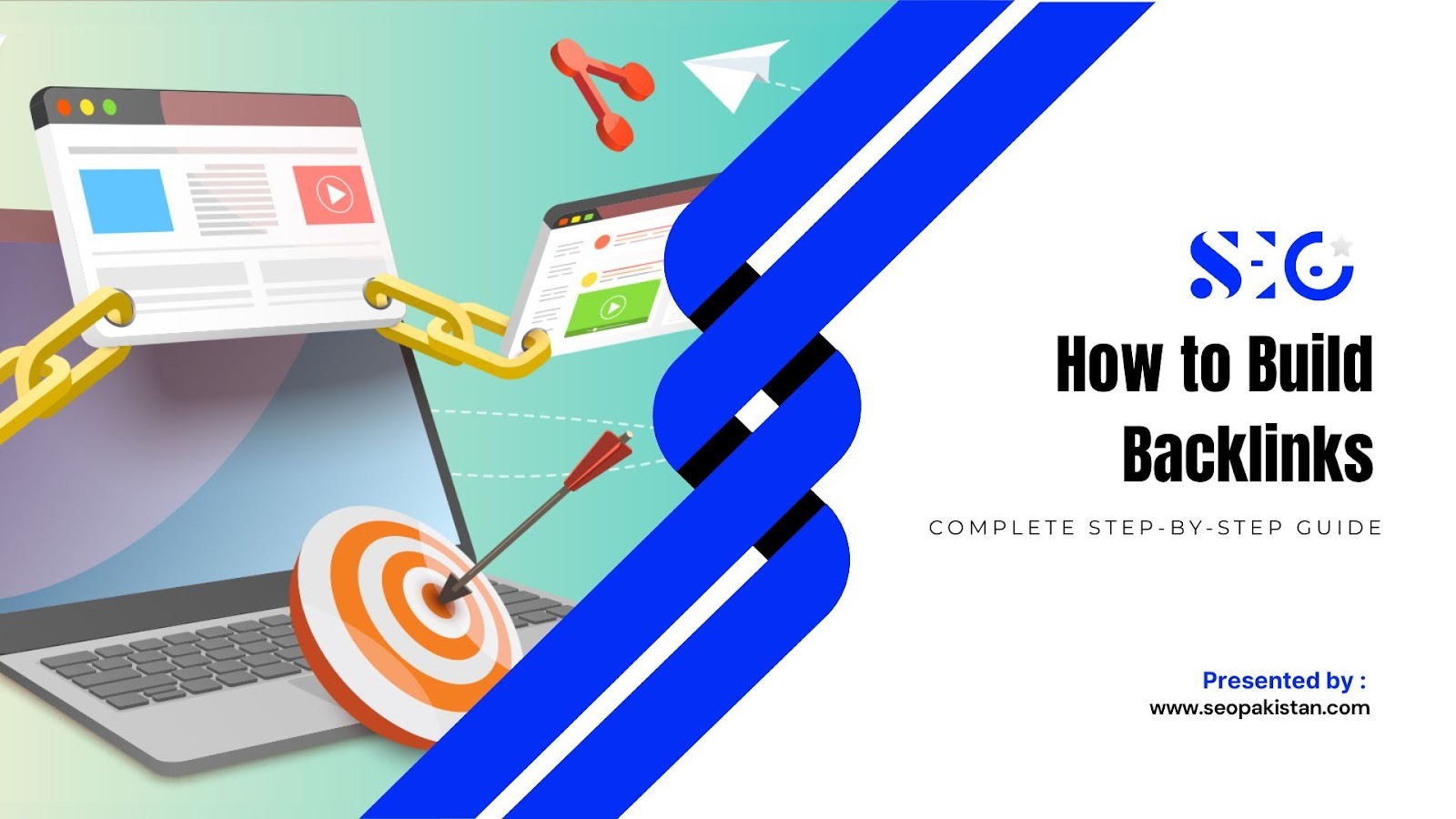
Backlinks remain one of the most powerful ranking signals in SEO. They tell search engines that other websites trust your content enough to reference it. That trust translates directly into higher rankings, more organic traffic, and stronger domain authority.
But here is the truth most guides skip: knowing how to build backlinks is not enough. You need a structured, repeatable process that focuses on quality, relevance, and long-term results rather than shortcuts.
Shortcuts do exist. Buying links, using private blog networks, and spamming directories are all options. They are also penalties waiting to happen. Google’s algorithm updates have become increasingly sophisticated at detecting manipulative link building, and the consequences, such as ranking drops, manual actions, and deindexing, are severe.
This guide covers how to build backlinks the right way. Every step in this process is practical, actionable, and built on white-hat link-building techniques that deliver sustainable results. Follow it from start to finish, and you will have a clear system for earning high authority links consistently.
Are Backlinks Still a Top Ranking Factor?
Backlinks remain a critical part of any successful SEO strategy, offering both direct and indirect benefits for your website. They not only boost search engine rankings but also drive referral traffic and improve overall domain authority. Here’s why backlinks still matter:
- Boosting Authority and Rankings: Backlinks act as trust signals. When authoritative websites link to your page, they pass on “link equity” or “PageRank,” signaling to search engines that your content is credible.
- Driving Referral Traffic: A well-placed link on a high-traffic website can send qualified visitors straight to your page, increasing engagement and conversions.
- Faster Indexing: Backlinks help search engine crawlers discover new content more quickly, reducing the time it takes for your pages to appear in search results.
- Improving Domain Authority: Earning high-quality backlinks strengthens your domain authority, making it easier to rank for competitive keywords and building long-term SEO momentum.
The takeaway? High-quality backlinks are still a cornerstone of effective SEO. Ignoring them puts your strategy at a distinct disadvantage.
What Makes a Backlink High Quality?
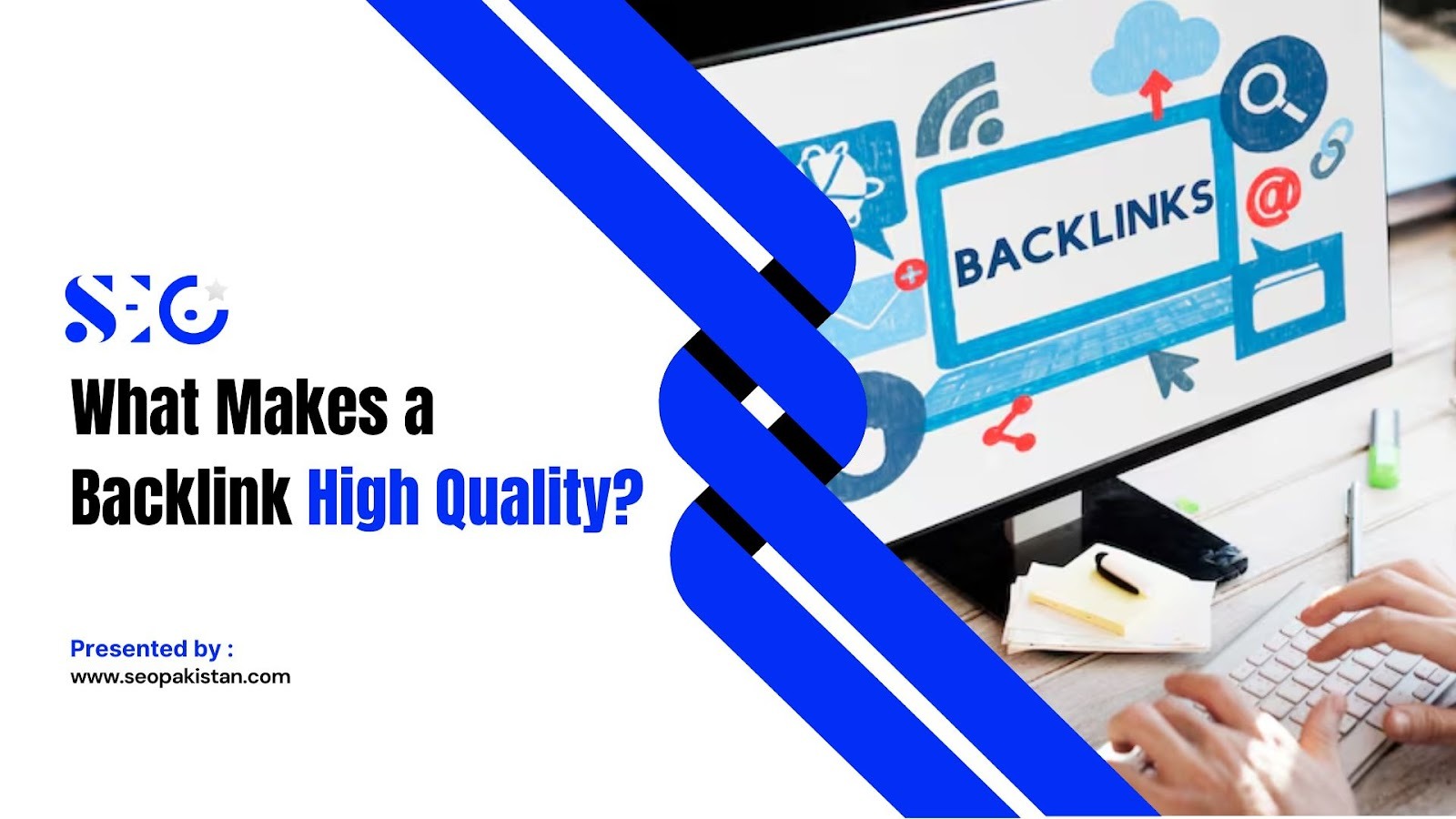
Not all backlinks carry equal weight. Understanding what separates a valuable link from a harmful one is essential before building any outreach campaign.
Several factors determine backlink quality:
- Relevance of the linking site: A link from a website in your industry carries far more weight than one from an unrelated niche. Relevance signals context to search engines.
- Domain authority: Links from established, high-authority domains pass more ranking value than links from new or low-quality sites.
- Contextual placement: Backlinks placed within the body of an article carry significantly more value than links buried in footers, sidebars, or author bios.
- Dofollow vs. nofollow: Dofollow links pass link equity. Nofollow links do not, though they can still drive traffic and add diversity to your link profile.
- Natural anchor text: The clickable text of a backlink should be relevant and varied. Over-optimized anchor text raises red flags with search engines.
- Real traffic from the linking page: A link from a page with genuine, engaged readers adds more value than one from a page with zero organic traffic.
The key principle here is simple: 10 strong, relevant backlinks will outperform 1,000 low-quality spam links — every time. Focus on earning contextual backlinks from authoritative, relevant sources rather than chasing volume.
The Complete Guide to Building High-Quality Backlinks
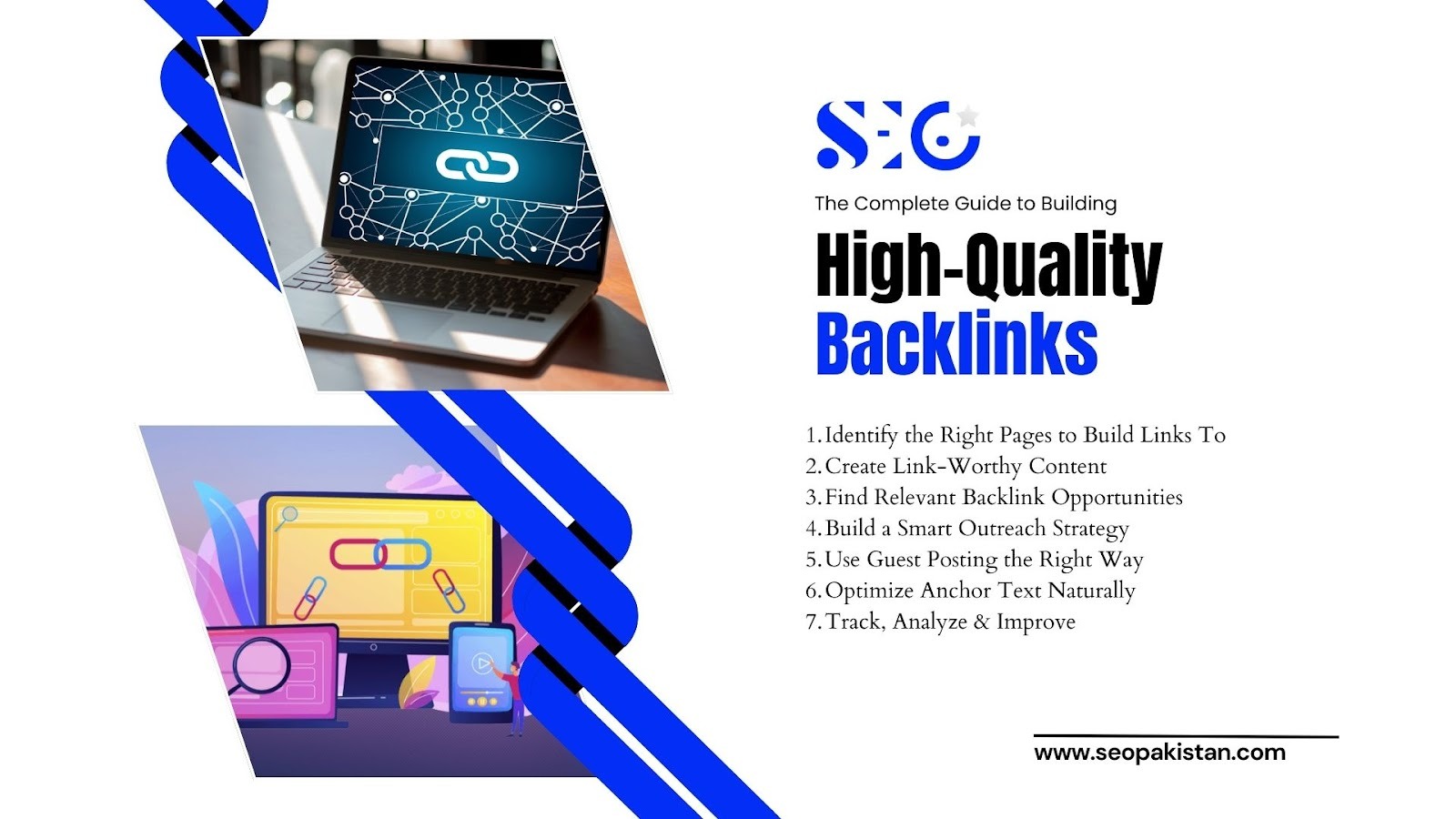
Building backlinks doesn’t have to be overwhelming. Start by identifying authoritative, relevant websites in your niche, then focus on creating valuable content that encourages natural links.
In this guide, we’ll explain how to build backlinks, from outreach strategies to content optimization. We’ll break down each step so you can learn how to do it right
Step 1 – Identify the Right Pages to Build Links To
Building backlinks randomly is one of the most common and costly mistakes in SEO. If you’re wondering how to build backlinks effectively, remember that every link you earn should serve a strategic purpose.
Start by identifying which pages on your website are worth prioritizing. Ask yourself: which pages generate revenue, capture leads, or target high-value keywords?
Useful page types to target include:
- Service and product pages that you want to rank for competitive commercial keywords
- Cornerstone blog posts targeting informational keywords with strong search volume
- Pages currently ranking on page 2 or page 3 of Google — these pages already have some authority and need only a boost to move into the top positions
Use Google Search Console to identify these opportunities. Filter your performance report by position to find pages ranking between positions 11 and 30. These pages have demonstrated relevance; additional backlinks can push them onto page one.
This approach ensures that every backlink you build contributes to measurable ranking improvements rather than disappearing into pages that have no realistic chance of ranking.
Step 2 – Create Link-Worthy Content
Outreach without strong content fails. People link to value, not sales pages, and no amount of follow-up emails will change that.
Before launching any link-building campaign, audit your content. Ask honestly: would another website want to reference this? If the answer is uncertain, improve the content first.
Content formats that attract backlinks naturally include:
- In-depth guides that comprehensively cover a topic and serve as a reference resource
- Original research and data that other writers can cite in their own articles
- Statistics roundups that compile data from multiple sources into one convenient page
- Comparison articles that break down alternatives in a specific category
- Practical tools, templates, and checklists that solve a specific problem quickly
This principle aligns with natural link-building methods. When you focus on creating strong, valuable content, you’re already addressing a key aspect of how to build backlinks effectively.
Step 3 – Find Relevant Backlink Opportunities
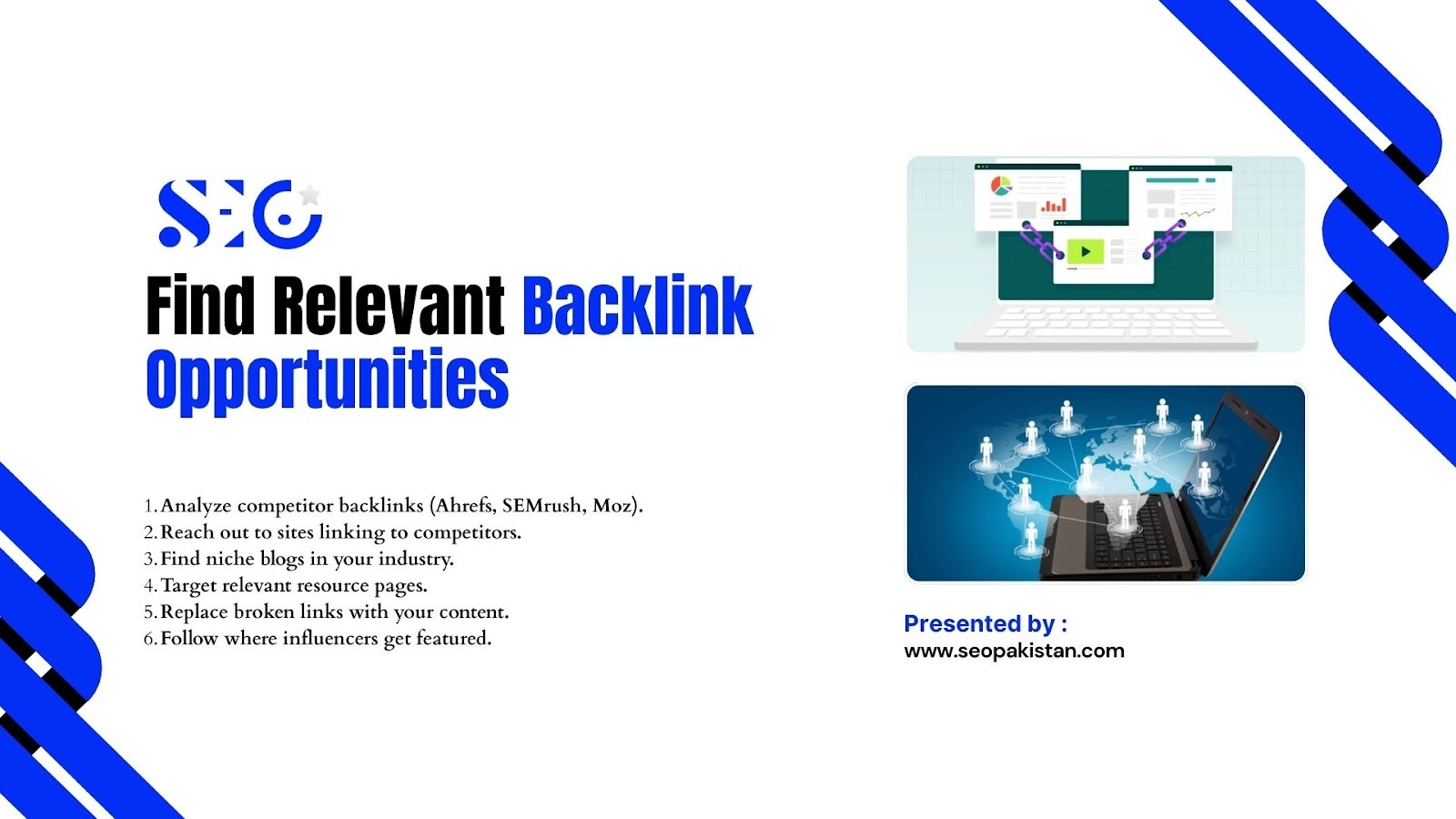
Great content needs great distribution. Finding the right websites to target requires research, precision, and an understanding of your industry’s link landscape.
Where do you start? What sites are already linking to content like yours?
Follow these steps to build a qualified prospect list:
- Analyze competitor backlinks using tools like Ahrefs, SEMrush, or Moz. If a site links to your competitor, it may also link to your content.
- Search for niche blogs and publications that regularly cover topics related to your industry.
- Identify resource pages — pages that curate and link to helpful tools, guides, or articles within a specific category.
- Find broken links on relevant websites. When a page links to content that no longer exists, you have an opportunity to suggest your content as a replacement.
- Study where industry influencers and thought leaders are earning coverage. These sources are already receptive to linking to quality content.
Relevance always takes priority over quantity. A single contextual backlink from a trusted industry publication will outperform dozens of links from unrelated, low-traffic websites. This is the foundation of a strong backlink-building strategy.
Step 4 – Build a Smart Outreach Strategy
Outreach determines whether your link-building campaign succeeds or stalls. A well-crafted email can open doors. A generic template gets deleted in seconds.
How do the most successful link builders approach outreach? They treat it as relationship building, not mass marketing.
Key principles of effective outreach include:
- Personalize every email. Reference the specific article or page you found on their website. Show that you have read their content.
- Lead with value. Explain clearly why your content would benefit their readers — not why a backlink would benefit you.
- Keep emails short and professional. Respect the recipient’s time. Get to the point within three to four sentences.
- Follow up politely. A single follow-up email sent three to five days later is appropriate. Beyond that, move on.
- Build relationships before asking. Engage with their content on social media or leave a genuine comment before sending an outreach email.
What to avoid is equally important when learning how to build backlinks. Mass blast campaigns, generic subject lines, and aggressive follow-up sequences can damage your reputation and lower response rates. Building backlinks is a long game that rewards patience and professionalism.
Step 5 – Use Guest Posting the Right Way
Guest posting remains one of the most effective white hat link-building techniques available, as long as it’s done with integrity and purpose.
The goal of guest posting is not simply to insert a backlink into any website that accepts submissions. The goal is to provide genuinely useful content to a relevant audience while earning a contextual link in return.
Follow this process for ethical, effective guest posting:
- Find guest posting opportunities by searching Google for phrases like “[your niche] + write for us” or “[your niche] + guest post guidelines.”
- Evaluate each site carefully. Check their domain authority, traffic estimates, content quality, and editorial standards before pitching.
- Pitch relevant, specific topic ideas. Editors receive dozens of generic pitches. A specific, well-researched topic idea with a clear angle will stand out immediately.
- Limit backlinks to one or two per guest post, placed contextually within the body of the article where they add genuine value to the reader.
- Follow editorial guidelines strictly. Respecting a publication’s standards increases your chances of acceptance and builds a long-term relationship with the editor.
Guest posting works consistently when you focus on providing value to the audience first and acquiring links second. This approach helps you identify and secure placements on high-authority publications within your niche.
Step 6 – Optimize Anchor Text Naturally
Anchor text optimization is one of the most overlooked and misunderstood aspects of link building. Too many exact-match anchors signal manipulation to search engines. Too many generic anchors leave ranking potential untapped.
When learning how to build backlinks, the solution is to create a balanced, diverse anchor text profile that mirrors how backlinks occur naturally across the web.
A practical anchor text distribution to target:
- 50% branded anchors: Use your company or website name as the anchor, such as “Acme Agency,” to establish brand recognition and credibility.
- 30% partial match anchors: Incorporate variations of your target keyword within phrases, like “effective link-building approach,” to maintain relevance while avoiding over-optimization.
- 10–15% generic anchors: Use general phrases like “click here,” “read more,” or “this article” to keep the linking natural and user-friendly.
- 5–10% exact match anchors: Focus on your exact target keyword, for example, “how to build backlinks,” to boost specific search visibility.
Every anchor text choice should feel natural within the sentence where it appears. If a link reads awkwardly because of the anchor text selected, revise the wording. Search engines and readers both recognize forced optimization.
Step 7 – Track, Analyze & Improve
Link building is not a one-time campaign. It is an ongoing investment in your website’s authority. Without consistent monitoring, you cannot measure progress or identify problems before they affect rankings.
Set up a monthly review process that covers the following:
- Google Search Console: Monitor newly discovered backlinks and track ranking movements for target pages.
- Anchor text distribution: Review the spread of anchor types to ensure the profile remains natural and diverse.
- Domain authority of new links: Verify that the links you are earning come from reputable, relevant sources.
- Toxic backlink audit: Use tools like Ahrefs, SEMrush, Moz, and Majestic to identify and disavow spammy or harmful links pointing to your site.
- Competitor link analysis: Check regularly whether competitors are earning links from new sources you have not yet targeted.
Tracking transforms link building from guesswork into a measurable growth strategy. Monthly audits allow you to double down on what is working, fix what is not, and continuously refine your approach over time.
Backlink Mistakes That Will Get You Penalized by Google
Even experienced SEOs make link-building errors that set back their progress. Understanding the most common mistakes helps you avoid costly penalties and wasted effort.
What link-building behaviors does Google specifically penalize? The answer covers both active manipulation and passive neglect.
- Buying cheap backlinks from link farms or private blog networks (PBNs). Google’s algorithms detect these patterns and apply manual or algorithmic penalties.
- Using private blog networks (PBNs). These appear natural on the surface but carry serious long-term ranking risk.
- Repeating the same anchor text across multiple backlinks. This is a clear signal of over-optimization that triggers algorithmic scrutiny.
- Acquiring links from irrelevant websites. These provide minimal ranking value and dilute topical authority.
- Ignoring content quality. Weak, thin content makes outreach nearly impossible and repels natural links.
- Building too many links too fast. An unnatural velocity spike signals manipulation and can trigger a manual review.
The consequences range from ranking drops to complete removal from search results. Every shortcut in link building carries a compounding risk that damages long-term SEO performance.
Build Authority That Lasts
Learning how to build backlinks is the starting point. Executing the process consistently is what creates lasting results.
Backlinks remain a fundamental ranking factor. Search engines use them to evaluate trust, authority, and relevance. That has not changed, and it is unlikely to change.
The sites that win in competitive niches are those that combine strong content with a structured, ethical approach to link acquisition. They apply white hat link building techniques consistently, prioritize relevance over volume, and treat backlink building as a long-term investment rather than a quick fix.
Start with the steps in this guide. Identify your target pages. Create content worth linking to. Build outreach relationships with relevant sites. Apply natural link-building methods that align with Google’s guidelines, and monitor your results monthly.
If you’re seeking expert support to expedite this process, visit seopakistan.com. We offer top-level link building, guest posting services, and all kinds of SEO to provide a managed, results-driven approach tailored to your site.
Frequently Asked Questions (FAQs)
How long does it take to see results from backlinks?
Most sites begin to see measurable ranking improvements within four to twelve weeks of acquiring quality backlinks. The timeline depends on the competitiveness of your target keywords, your current domain authority, and the quality of the links you build. High-authority links from relevant sites tend to produce faster results.
How many backlinks do I need?
There is no fixed number. The right amount depends on the competition for your target keywords. Use tools like Ahrefs or SEMrush to analyze how many referring domains the top-ranking pages in your niche have, then set that as your benchmark.
Are paid backlinks safe?
Purchasing backlinks violates Google’s Webmaster Guidelines. Sites caught buying links risk manual penalties, ranking drops, or deindexation. Paid links from link farms or PBNs carry the highest risk.
What is the safest link-building method?
Editorial outreach, guest posting on legitimate publications, and digital PR are the safest methods. These approaches produce contextual backlinks earned on merit. They align with Google’s quality guidelines and carry no penalty risk when executed correctly.
.