

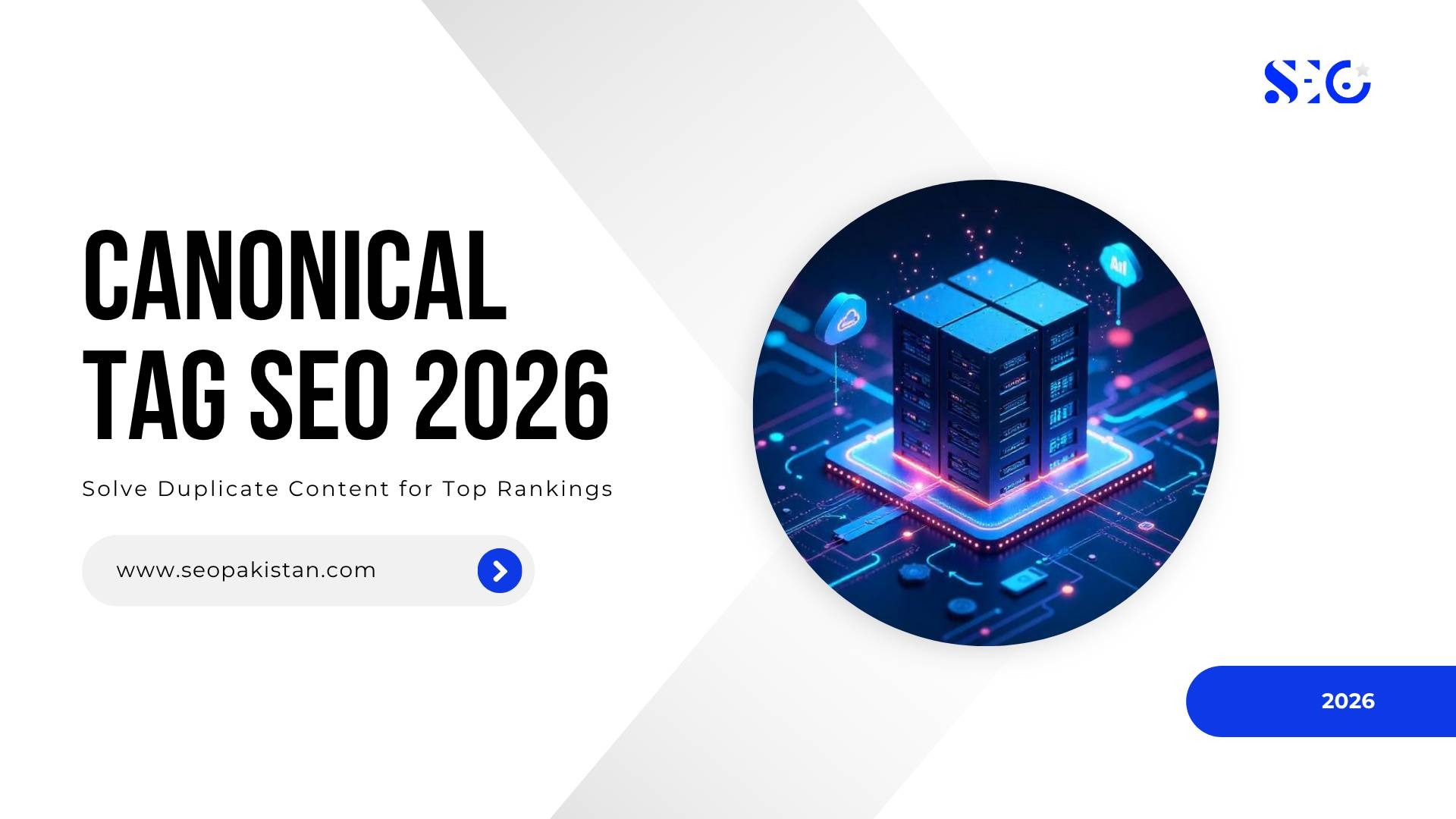
Canonical tag SEO 2026 focuses on resolving duplicate content issues by consolidating ranking signals and guiding search engines to the preferred URL version. Proper implementation involves placing self-referencing canonical tags in the HTML head, using absolute URLs, and ensuring the canonical target points to a live 200 OK page.
Avoid combining canonical tags with noindex directives or disallow settings, as this creates conflicting signals. By aligning internal links, sitemaps, and canonical paths, you enhance search visibility and prevent diluted link equity, ensuring your content ranks effectively in search results.
The Core Engineering of Modern URL Clustering
Search engines no longer treat canonical tags as mere suggestions. In 2026, Google actively clusters similar or duplicate content together. The algorithm selects a single authoritative version to represent your data across traditional search results and AI-generated overviews.
Understanding how search engines group duplicate assets is critical. Google calculates content similarity, internal link weight, external link paths, and page layout value to choose the preferred version. If you confuse search engines with weak canonical signals, they will guess which version of a page to rank.
You must also account for the 2MB document cutoff rule. Place your link rel canonical href tags high within the raw HTML header. If a large, unoptimized web page hits the strict 2MB HTML payload processing ceiling, any canonical tags buried deep in the code remain invisible to search engines.
Strict Formatting Standards and Integration Hygiene
Every unique, primary page template on your site must feature a clean, self-referencing canonical tag. This tag must point exactly to its own URL string. This practice blocks tracking links, parameter strings, and scrape-bots from splitting your search equity across multiple versions.
You must enforce absolute path rules and avoid relative traps. Short relative URLs cause crawling loops and sub-domain confusion. Every tag must show a fully qualified absolute address:
<link rel=”canonical” href=”https://www.yourdomain.com/blog/seo/” />
Maintain strict HTML head placement. Restrict your canonical link properties to the <head> section of your raw source code. Tags rendered or pushed into the <body> by lazy JavaScript executions do not work.
Ensure your canonical target points exclusively to a live 200 OK destination. Pointing tags to broken pages or files with noindex directives breaks your site architecture.
Strategic Architecture: Canonical vs. Noindex vs. Redirects
Choosing the right tool for duplicate management defines your SEO success. You must understand the core SEO tradeoffs.
- Canonical vs. Noindex: Use a canonical tag when you want to group ranking signals from duplicate pages while keeping them live for users, such as product variations. Use a noindex tag when a page has no search value and must stay completely hidden.
- Canonical vs. 301 Redirect: Use a 301 redirect when an old URL requires complete deletion. Use a canonical tag when multiple URL paths must remain accessible to human users.
Avoid the index exclusion loop trap. Combining noindex settings with canonical tags on the same page creates conflicting signals. If search bots cannot crawl a page, they cannot read the canonicalization, which tells search engines need to clean your index.
Advanced E-Commerce Architecture: Facets, Parameters, and Pagination
Faceted search control generates massive amounts of parameterized URLs. Write automated backend scripts to instantly point filtered landing URLs back to the clean, core product category page.
You must follow the modern pagination rule. Paginated page series must feature self-referencing canonical tags rather than pointing back to page one. This structure allows search spiders to discover deep product pages safely.
Configure server edge rule engines for automated parameter stripping. Drop tracking links and session markers before they generate duplicate URLs.
Cross-Domain Syndication and Non-HTML Asset Authority
You must secure original content ownership when publishing articles on third-party channels. Use cross-domain canonical tags to point external platforms back to your primary version.
Enforce a contractual fallback safeguard. Force syndication channels to implement a noindex rule on their copies if their content platforms cannot support a proper canonical tag connection.
Use HTTP header canonicalization to pass deduplication instructions for non-HTML digital files like PDFs or spreadsheets:
Link: <https://www.yourdomain.com/guide.pdf>; rel=”canonical”
The 2026–2027 Canonical Tag Optimization Matrix
| Content Profile Scenario | Preferred Canonical Link Destination | Core System Workflow | Downstream Search & AI Impact |
| Primary Standard Page | Absolute self-referencing https:// path | Baked directly into the core CMS template rendering loop | Consolidates all ranking signals and link equity into a single master index node. |
| Faceted Parameter / Filter | Clean parent product category or landing template path | Programmatically strips trailing filter/parameter strings from the header tag | Eliminates crawl budget waste while preventing indexing bloat. |
| International Localization | Localized alternative URL; aligns with hreflang configurations | Syncs language variations through a central localization engine | Prevents cross-market duplicate bugs while keeping regional rankings accurate. |
| Syndicated Content Copy | Root original destination URL where the article was first launched | External publishing platform inserts cross-domain meta tag | Protects original content creators from being outranked by high-authority platforms. |
Use this framework to set canonical URLs across different site scenarios:
- Primary Standard Page: Set an absolute self-referencing https path. This consolidates all ranking signals and link equity into a single master index node.
- Faceted Parameter / Filter: Point to the clean parent product category. This eliminates crawl budget waste while preventing indexing bloat.
- International Localization: Use a localized alternative URL that aligns with your hreflang configurations. This prevents cross-market duplicate bugs.
- Syndicated Content Copy: Point to the root original destination URL. This ensures that original content creators maintain their rankings and are not overshadowed by platforms with higher authority.
Multi-Language Deployments: Hreflang and Sitemap Connections
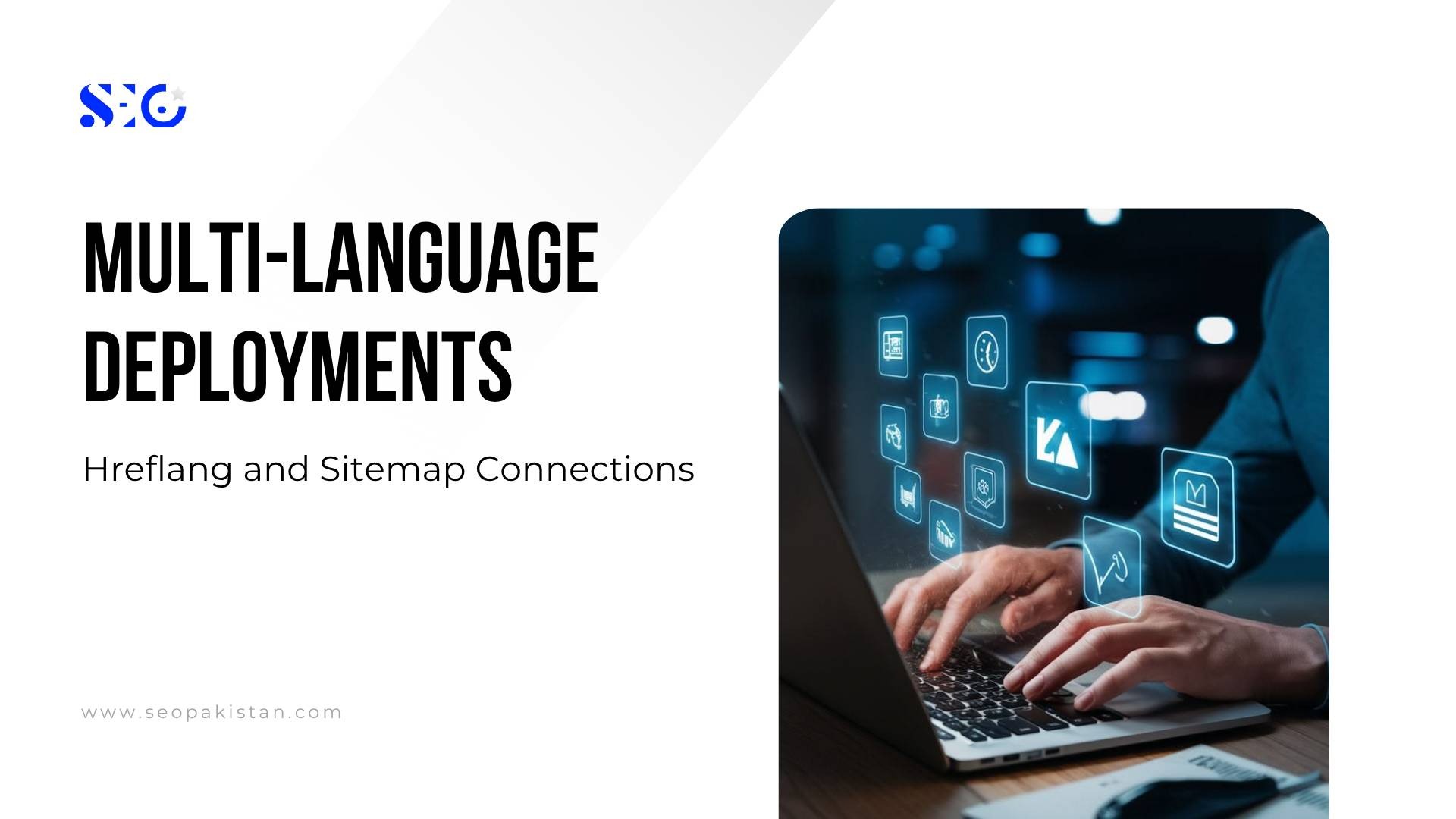
Maintain a strict canonical-hreflang reciprocal balance. Every international landing page inside an alternative language network must feature a self-referencing canonical link pointing directly to itself in its own language.
Avoid the cross-market duplication error. Pointing a localized page back to the main English site breaks your international setup. Search engines prioritize the English version, causing your regional pages to drop from search results.
Ensure complete XML sitemap alignment. Structure your sitemaps to include only preferred canonical URLs. Do not submit duplicate pages or wrong URLs, as this will confuse search engines.
Technical Troubleshooting: Tracking Canonical Tag Errors GSC
Google Search Console offers the best diagnostics for technical SEO failures.
When you see “Duplicate, Google chose a Different Canonical than the User,” run deep audits on your internal links, sitemaps, and redirects. You must find the conflicting signal that caused Google to overrule your declared canonical.
When you see “Duplicate Without User-Selected Canonical,” spot pages that lack a canonical tag entirely. You do not want to leave it up to search engines to guess which version of a page to rank.
Run DOM audits with automated crawlers to catch multiple canonical tags, broken targets, and loops before updating your live site. Many content management systems and SEO plugins accidentally generate multiple tags if misconfigured.
Conclusion and Your 90-Day Enterprise Technical Roadmap
Mastering canonical tag SEO in 2026 is essential for resolving duplicate content issues and improving search visibility. By implementing self-referencing canonical tags, aligning sitemaps, and ensuring absolute URL paths, you consolidate ranking signals and prevent diluted link equity.
Avoid common pitfalls like combining canonical tags with noindex directives or using multiple tags on a single page. A well-structured canonical strategy ensures search engines prioritize the right content, boosting your SEO performance.
Ready to optimize your site for 2026? Take control of your SEO strategy today at SEO Pakistan! Schedule a technical audit to fix duplicate content and maximize your search rankings.
Frequently Asked Questions (FAQ)
What is a canonical tag in SEO?
A canonical tag is an HTML element that helps search engines identify the preferred version of a web page when multiple URLs have similar or duplicate content. It consolidates ranking signals, prevents duplicate content issues, and ensures search engines prioritize the correct URL in search results. Proper canonicalization improves SEO performance and maintains link equity.
How do canonical tags improve SEO in 2026?
Canonical tags in 2026 guide search engines to the authoritative version of a page, consolidating ranking signals and avoiding diluted link equity. They are essential for managing duplicate content, parameterized URLs, and cross-domain syndication. Correct placement in the HTML head and alignment with sitemaps ensure optimal search visibility.
Can I use multiple canonical tags on one page?
No, using multiple canonical tags on a single page invalidates them. Search engines will ignore all tags and decide the preferred URL themselves, which may harm your SEO. Always use one canonical tag per page, pointing to the authoritative version.
What is the difference between canonical tags and noindex?
Canonical tags consolidate ranking signals for duplicate pages while keeping them live for users. Noindex tags, on the other hand, instruct search engines to exclude a page from search results entirely. Use canonical tags for ranking consolidation and noindex for hiding non-valuable pages.
How do I troubleshoot canonical tag errors in Google Search Console?
To fix canonical tag errors, audit internal links, sitemaps, and redirects for conflicting signals. Use tools like Screaming Frog to identify missing or broken canonical tags. Ensure tags point to live 200 OK pages and are placed in the HTML head for proper indexing.