

The manufacturing industry has undergone a fundamental shift. Buyers no longer rely solely on trade shows, referrals, or cold calls to find suppliers. They research online first—reading reviews, watching product demos, and evaluating brands across social platforms long before they contact a sales representative.
This behavioral shift has made digital visibility a competitive necessity. Manufacturing companies that fail to maintain a strong social presence risk losing contracts to competitors who do. The question is no longer whether manufacturers should invest in social media—it is how to do it effectively.
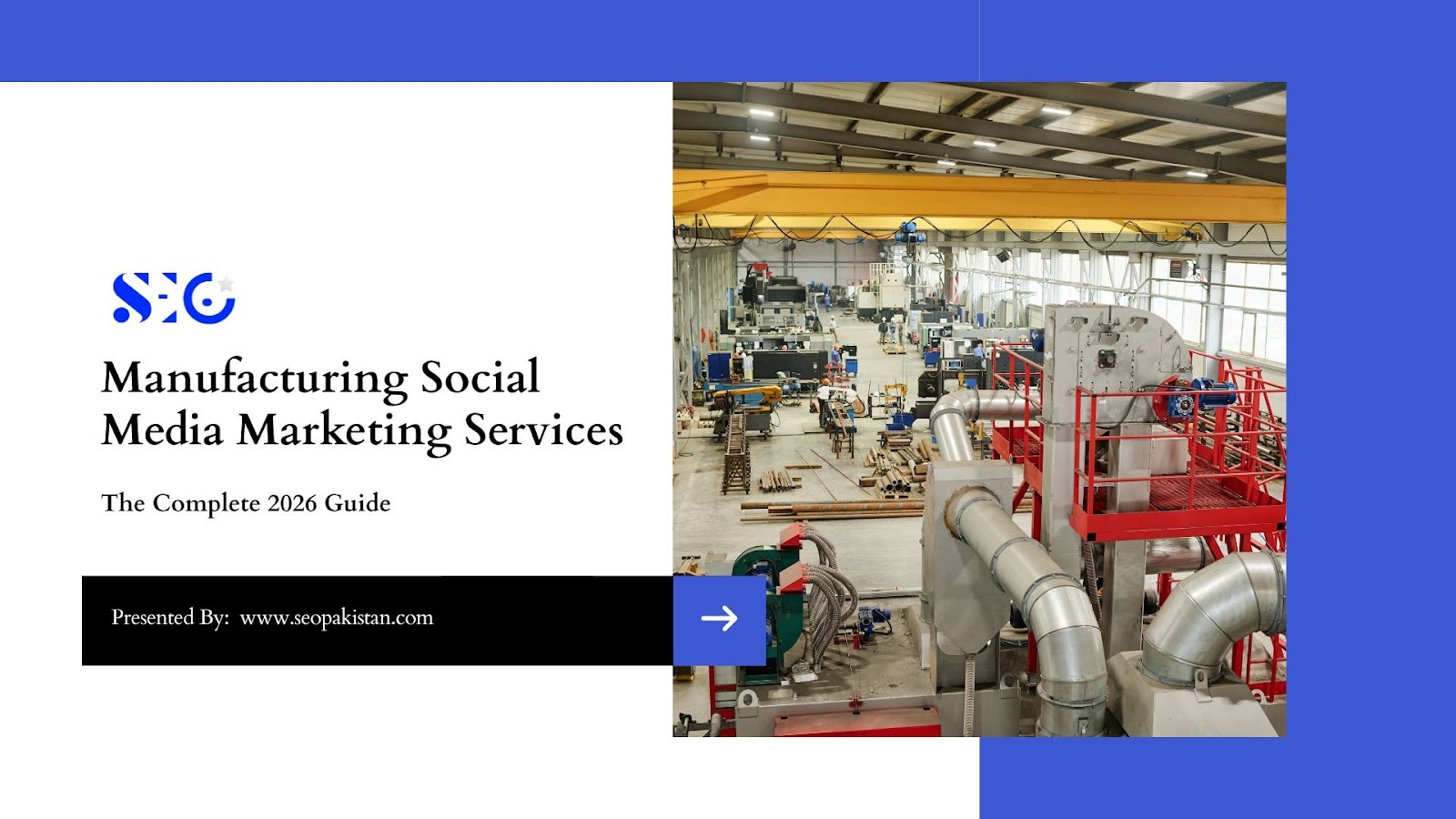
Manufacturing social media marketing services are specifically designed to address this gap. They combine platform expertise, industrial content knowledge, and data-driven strategy to help manufacturers attract the right buyers, build authority, and generate qualified leads through social channels.
This guide is your ultimate roadmap to mastering social media marketing in 2026. We will explore everything from choosing the right platforms and creating a winning content strategy to generating leads, understanding pricing, and selecting the perfect agency partner.
What Are Manufacturing Social Media Marketing Services?
Core Services Included
Manufacturing social media marketing services refer to a specialized set of digital marketing solutions tailored to the unique needs of industrial companies. These services go beyond simply posting content on LinkedIn or Facebook. They encompass a strategic, data-informed approach to building brand authority and generating leads within technical, B2B markets.
Core services typically include:
- Strategy Development: Defining platform priorities, audience segments, and measurable goals aligned with your sales pipeline.
- Content Creation: Producing technical blogs, infographics, case studies, product demonstrations, and video content that resonates with industrial buyers.
- Paid Advertising: Running targeted campaigns on LinkedIn, Meta platforms, and YouTube to reach procurement teams, engineers, and decision-makers.
- Platform Management: Scheduling posts, managing profiles, and maintaining consistent brand messaging across all active channels.
- Analytics & Reporting: Tracking engagement, lead attribution, conversion rates, and ROI to continuously improve campaign performance.
How Industrial Social Media Differs from B2C
Consumer-focused social media marketing and industrial social media marketing operate by very different rules. Understanding this distinction is critical to executing an effective strategy.
B2C marketing targets emotions and impulse decisions. Industrial marketing, by contrast, targets logic, specifications, and long-term value. The differences are significant:
- Longer buying cycles: Industrial purchases often involve months of evaluation, multiple stakeholders, and formal procurement processes.
- Technical audiences: Your buyers are engineers, plant managers, and operations directors who expect precise, credible information.
- Relationship-driven sales: Trust and demonstrated expertise carry far more weight than flashy visuals or promotional language.
- Trust-building focus: Manufacturers must consistently provide value through content before a prospect ever submits an inquiry.
These distinctions demand a different content approach, a different tone, and a different measurement framework than B2C social media marketing.
Why Manufacturers Can’t Ignore Social Media in 2026
Changing B2B Buyer Behavior
B2B buyers have changed the way they make purchasing decisions. Engineers and procurement teams now conduct extensive online research before engaging a supplier.
Studies from leading university marketing research programs confirm that more than 70% of B2B buyers complete a significant portion of their decision-making process before ever speaking with a sales representative.
Your social media presence is often your first impression. Here’s why it matters:
- Builds Credibility: A strong LinkedIn profile, a YouTube channel with product demos, and an active Facebook page all build a buyer’s trust in your company.
- Increases Visibility: Without this digital presence, manufacturers are invisible during the critical research stage of the buyer’s journey.
Digital Transformation in the Manufacturing Industry
Industry 4.0 has reshaped not only how manufacturers operate but also how they market themselves. Smart factories, IoT integration, and automated supply chains have made digital literacy a baseline expectation—both operationally and commercially.
According to the U.S. Small Business Administration, digital marketing is key for manufacturing businesses to grow and compete with larger companies. Here’s why:
- Online evaluation is now standard: Procurement teams check your website, LinkedIn profile, and product videos before asking for a quote.
- Digital-first branding is essential: It’s no longer just for tech companies. To stay competitive in 2026 and beyond, manufacturers must prioritize their digital presence.
Best Social Media Platforms for Manufacturing Companies
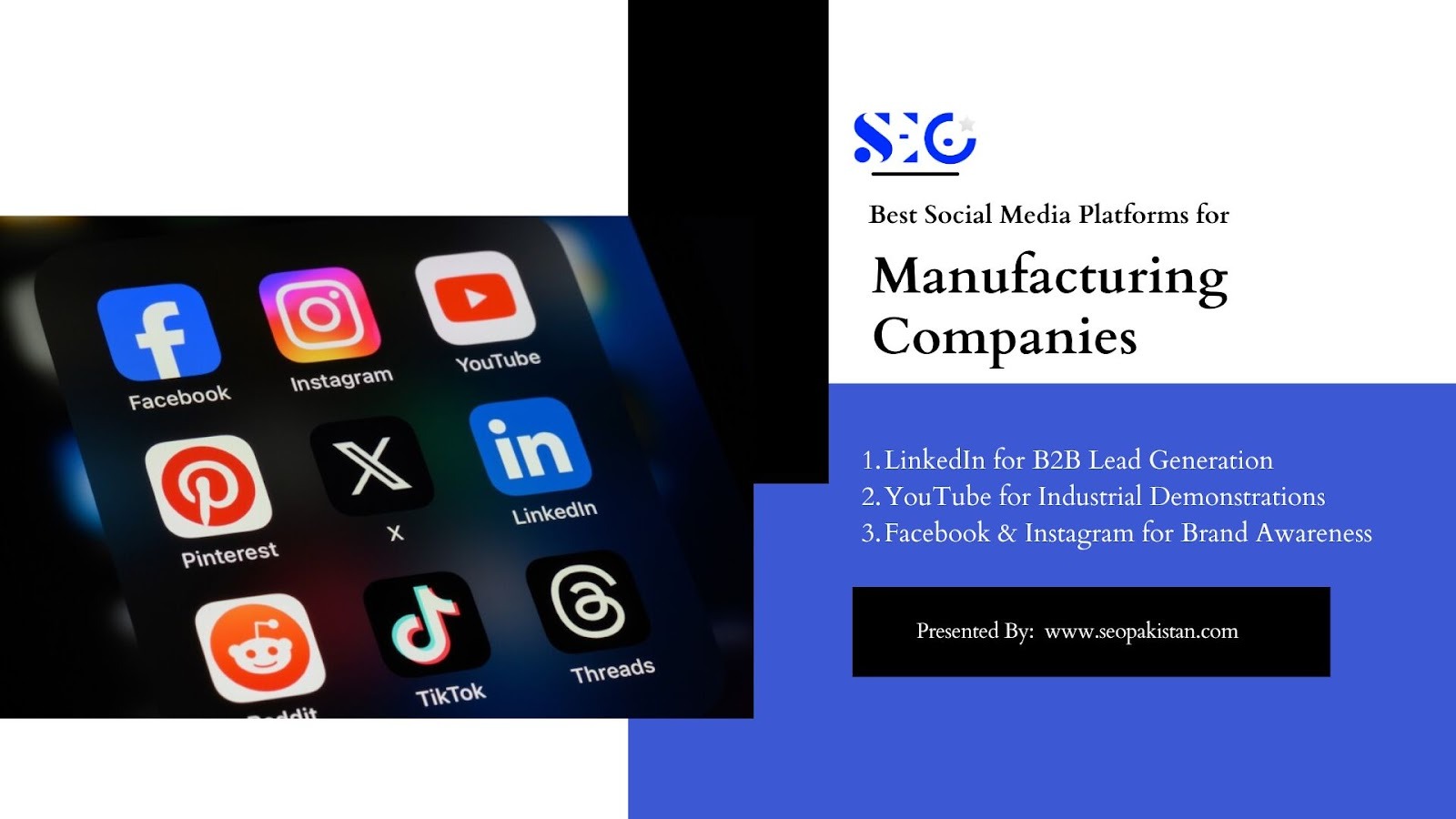
LinkedIn for B2B Lead Generation
LinkedIn is the most powerful platform for manufacturing social media marketing. It is where decision-makers spend their professional time—scrolling through industry news, evaluating suppliers, and engaging with thought leadership content.
Key advantages for manufacturers on LinkedIn include:
- Decision-maker access: LinkedIn provides direct access to C-suite executives, procurement directors, and plant managers at target companies.
- Industry networking: Participating in relevant industry groups and conversations builds relationships that translate into business opportunities.
- Thought leadership: Publishing technical articles, sharing industry insights, and commenting on sector trends positions your brand as an authority.
LinkedIn’s advertising tools also allow precise targeting by job title, company size, industry, and seniority making it the most efficient paid channel for reaching qualified B2B audiences.
YouTube for Industrial Demonstrations
YouTube is the second-largest search engine in the world. For manufacturers, it offers an unmatched opportunity to demonstrate product capabilities, explain complex processes, and build credibility through visual content.
Effective YouTube content for manufacturers includes:
- Machine walkthroughs: Show how your equipment operates in real production environments.
- Product demonstrations: Highlight specifications, tolerances, and performance benchmarks that technical buyers care about.
- Case studies: Document how your solutions solved specific challenges for existing clients.
Video content builds trust faster than written content alone. A well-produced product demonstration can answer a buyer’s key questions and move them significantly closer to a purchase decision.
Facebook & Instagram for Brand Awareness
While LinkedIn dominates B2B lead generation, Facebook and Instagram serve an important complementary role in manufacturing marketing.
These platforms excel at:
- Company culture: Showcasing your team, facility, and values to attract both customers and top talent.
- Recruitment: Reaching skilled tradespeople and engineers who are active on social platforms outside of LinkedIn.
- Visual branding: Building a recognizable brand identity through consistent imagery, behind-the-scenes content, and product showcases.
Facebook and Instagram may not be where purchasing decisions are made, but they contribute to the overall brand recognition that makes your LinkedIn outreach and paid campaigns more effective.
The Social Media Services Every Manufacturing Company Needs
Social Media Strategy Development
Every successful manufacturing social media program begins with a clearly defined strategy. Without clear goals and a structured plan, even the best content will fail to deliver results.
Strategy development involves:
- Goal setting: Defining what success looks like—whether that is lead volume, website traffic, follower growth, or brand awareness.
- KPI planning: Establishing measurable benchmarks to track progress and justify investment.
- Platform selection: Identifying which channels align with your audience’s behavior and your business objectives.
A well-constructed strategy ensures every post, campaign, and piece of content serves a defined business purpose.
Industrial Content Creation
Content is the foundation of manufacturing social media marketing. What type of content actually moves industrial buyers through the sales funnel?
Effective industrial content includes:
- Technical blogs: In-depth articles that address the specific problems your buyers face and position your brand as a knowledgeable partner.
- Infographics: Visual representations of complex data, processes, or comparisons that make technical information accessible.
- Case studies: Documented proof of your capabilities, presented in a format that buyers can share with internal stakeholders.
- Video production: Machine demonstrations, facility tours, and client testimonials that build credibility and engage visual learners.
All content should be created with the target buyer’s technical knowledge and decision-making criteria in mind.
Social Media Advertising for Manufacturers
Organic reach on social platforms has declined significantly across all channels. Paid advertising allows manufacturers to reach precise audiences at scale, without waiting for organic growth.
Manufacturing social media advertising services typically include:
- Sponsored posts: Amplifying high-performing organic content to reach a wider, targeted audience.
- LinkedIn ads: Running sponsored content, message ads, or conversation ads targeted to specific job titles and company types.
- Retargeting: Re-engaging website visitors or social media engagers who have already shown interest in your products.
Paid campaigns work best when they are tightly integrated with your organic content strategy and supported by strong landing pages.
Community Management & Engagement
Posting content is only half the job. Active community management ensures your brand remains responsive, professional, and approachable.
Community management encompasses:
- Comment handling: Responding promptly and thoughtfully to comments, questions, and feedback on all posts.
- Inquiry responses: Directing product inquiries to the appropriate sales contact and ensuring no potential lead goes unanswered.
- Brand reputation management: Monitoring mentions, addressing concerns, and maintaining a consistent professional image across all platforms.
Consistent engagement signals to both algorithms and buyers that your brand is active, credible, and worth following.
Step-by-Step Social Media Strategy for Manufacturers
Market Research & Competitor Analysis
Before creating a single post, you need a clear picture of the competitive landscape. This means identifying your top competitors’ social media presence, analyzing their content performance, and uncovering gaps you can exploit.
Research which platforms your competitors prioritize and what topics generate the most engagement in your sector.
Audience Targeting & Buyer Personas
Effective targeting requires a detailed understanding of who you are trying to reach. Develop buyer personas for each key stakeholder in your typical sales process—procurement managers, engineers, operations directors, and C-suite executives. Document their job responsibilities, primary concerns, information sources, and evaluation criteria.
Content Calendar Planning
A content calendar transforms your strategy from a concept into an executable plan. Map out content themes, post frequency, platform-specific formats, and campaign milestones for at least one quarter in advance.
Balance educational content, product highlights, case studies, and company culture posts to maintain variety and sustained engagement.
Paid Campaign Launch
Once your organic foundation is established, deploy paid campaigns to accelerate reach and lead generation. Begin with your highest-priority platform (typically LinkedIn for B2B manufacturers), define your targeting parameters precisely, and launch with a clear objective—whether that is website traffic, lead form submissions, or video views.
Performance Optimization
Review campaign data weekly during the initial launch phase and monthly thereafter. Identify which content formats, targeting segments, and ad creatives deliver the strongest results. Reallocate the budget toward high performers, pause underperforming elements, and systematically test new variables to drive continuous improvement.
Common Challenges in Manufacturing Social Media Marketing
Long Sales Cycles
Industrial purchases rarely happen quickly. Sales cycles of six to eighteen months are common, so social media results cannot be measured solely on a monthly revenue basis.
Solution: Focus on pipeline contribution and lead quality rather than immediate conversions. Track how social media interactions correlate with pipeline stage progression and measure content’s role in nurturing existing opportunities.
Technical Product Messaging
Communicating complex product specifications and technical capabilities in a format that is both accurate and engaging presents a genuine challenge for most manufacturing marketing teams.
Solution: Involve subject matter experts, such as engineers, product managers, and applications specialists, in content development. Use visual formats like diagrams, animations, and video demonstrations to make technical content accessible without sacrificing accuracy.
Limited Internal Marketing Teams
Many manufacturing companies operate with small or overextended marketing departments. Creating consistent, high-quality social content while managing other responsibilities is not realistic for a one- or two-person team.
Solution: Partner with a specialized manufacturing social media agency that can handle content creation, platform management, and paid advertising independently, requiring only strategic input and approval from your internal team.
In-House vs Agency: What’s Better for Manufacturers?
This is one of the most common strategic questions manufacturing companies face when beginning their social media journey. The right answer depends on your resources, objectives, and growth timeline.
| Factor | In-House | Agency |
| Cost | Lower monthly spend, but higher HR cost and training investment | Predictable monthly retainer with no HR overhead |
| Expertise | Limited to the skills of hired individuals | Access to a full team of specialists across strategy, content, design, and paid media |
| Scalability | Constrained by team capacity and budget | Easily scalable based on campaign needs and growth objectives |
| Results | Slower to develop without industry-specific experience | Faster results from proven frameworks and sector knowledge |
For most small and mid-sized manufacturers, partnering with an agency delivers faster results at a lower total cost than building an equivalent in-house capability. Larger enterprises often benefit from a hybrid model maintaining an internal coordinator while outsourcing specialized execution to an agency partner.
Conclusion
Manufacturing social media marketing services have evolved from an optional marketing add-on into a core component of industrial business development. Buyers research suppliers online before making contact. Competitors are building digital authority. And the companies that invest in structured, expert-led social media programs today will hold a significant competitive advantage in 2026 and the years that follow.
This guide has outlined the platforms, services, strategies, and investment considerations that matter most for manufacturers. The next step is translating this knowledge into action.
SEOpakistan specializes in manufacturing social media marketing services that deliver real business outcomes—qualified leads, stronger brand authority, and measurable pipeline growth. Contact us today to schedule a consultation and discover how a tailored social media strategy can accelerate your industrial growth.
Frequently Asked Questions
What are manufacturing social media marketing services?
Manufacturing social media marketing services are a specialized set of digital marketing solutions designed for industrial companies. They include strategy, content creation, ad management, and analytics tailored for B2B manufacturing audiences.
Which platform works best for industrial companies?
LinkedIn is the most effective platform for B2B lead generation in the manufacturing sector, offering direct access to engineers, procurement managers, and executive decision-makers. YouTube is highly valuable for product demonstrations, while Facebook and Instagram support brand awareness and recruitment efforts.
How much do manufacturing social media services cost?
Monthly retainers for manufacturing social media management typically range from $2,000 to $10,000, depending on service scope, platform count, and content volume. Project-based and performance-based pricing models are also available from many agencies.
Can social media generate qualified B2B leads?
Yes. LinkedIn Lead Generation Forms, retargeting campaigns, and gated content offers are proven mechanisms for capturing qualified B2B leads through social media. When integrated with a CRM system and supported by dedicated landing pages, social media can become a consistent source of high-quality pipeline opportunities.
Should small manufacturing companies invest in social media marketing?
Yes. Social media is a cost-effective way for small manufacturers to compete with larger companies. A focused strategy on one or two platforms can generate significant visibility and leads without a large budget.