

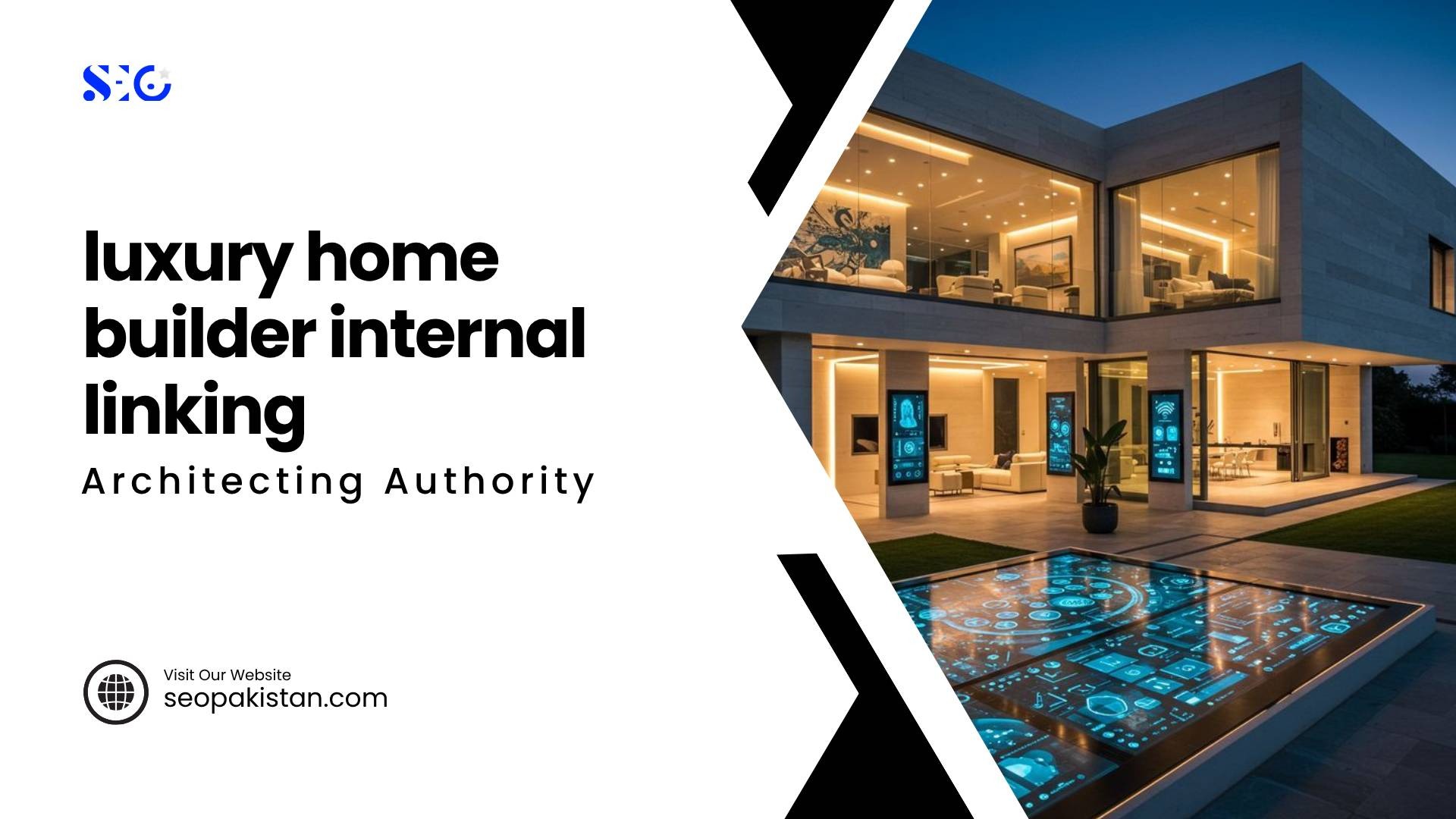
Luxury home builder internal linking is a strategic SEO practice that connects related pages within a website to enhance navigation and distribute link equity. By linking high-performing blog posts to portfolio pages or service offerings, luxury home builders can guide potential clients seamlessly through their digital content.
This approach improves search engine rankings, ensures key pages are easily discoverable, and creates a logical content hierarchy. Proper anchor text and contextual links further boost authority, making internal linking essential for showcasing expertise and driving conversions.
Building Luxury Construction Silos
You must organize your content logically to build authority in the eyes of search engines. Content architecture dictates how easily users and search algorithms navigate your website.
Establish Strong Pillar Pages
Pillar pages form the foundation of your digital strategy. These high-level pages target competitive search terms, such as “Custom Modern Mansion Builder.” A pillar page provides a comprehensive overview of a broad topic. It acts as the central hub for a specific area of your construction expertise.
Develop Specialized Topic Clusters
Topic clusters function as the wings of your digital estate. You should create five to ten supporting articles for every pillar page. Examples include topics like “Choosing Italian Marble,” “Integrated Smart Home Security,” and “Sustainable Luxury Foundation Techniques.” These specific articles target niche search queries and capture buyers during their research phase.
Implement the Hub-and-Spoke Flow
The hub-and-spoke model connects your architecture. Every spoke, or supporting article, must link back to the main pillar page. Furthermore, the pillar page must link out to every single spoke. This closed-loop of authority passes ranking power back and forth, signaling your comprehensive expertise to search engines.
Mastering the Builder Authority Flow
How you place links matters just as much as where they point. You must understand the mechanics of link placement to maximize your website performance.
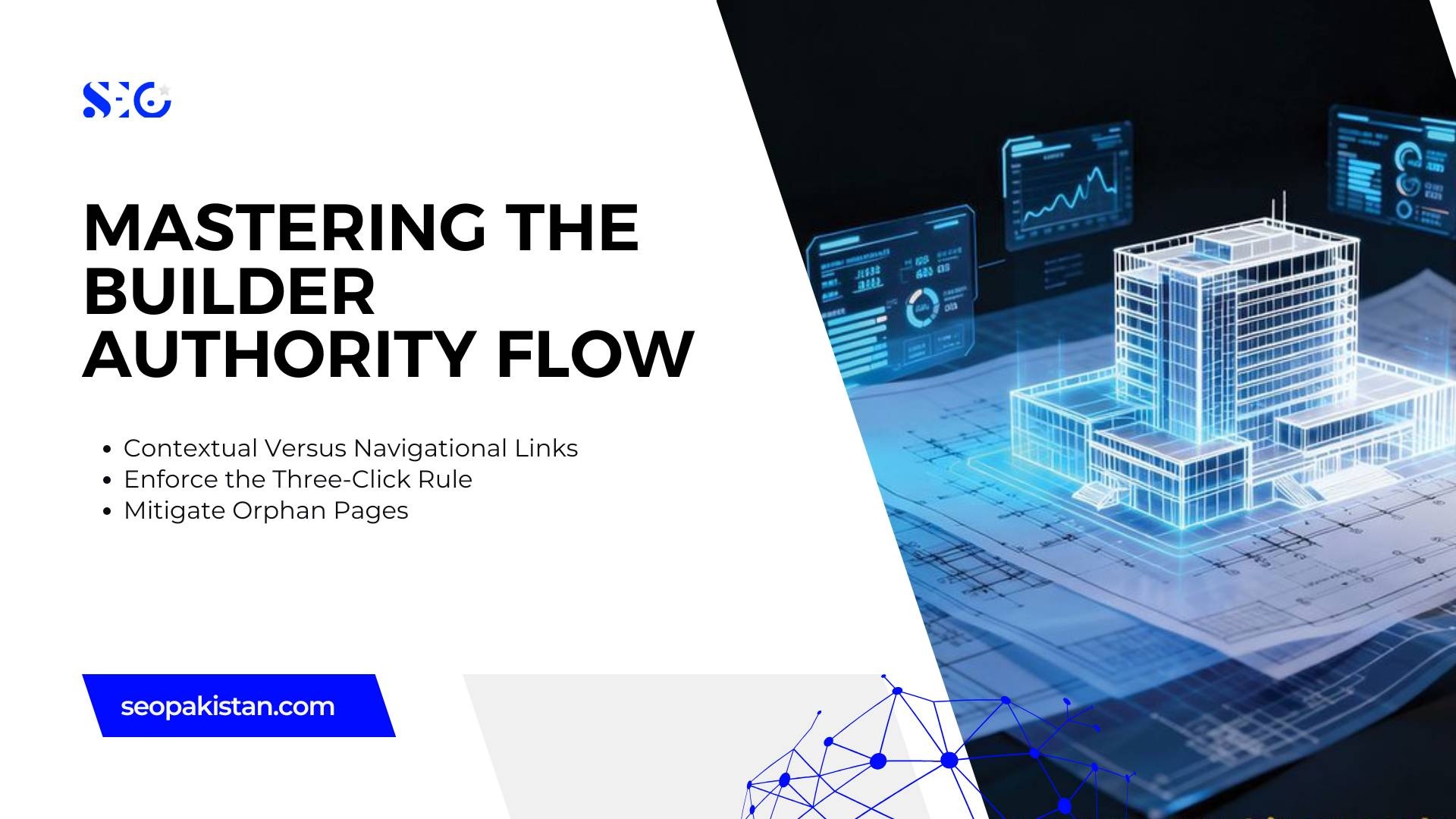
Contextual Versus Navigational Links
Navigational links exist in your main menu or website footer. Contextual links exist within the actual text of your articles. Contextual links carry significantly more ranking weight. Luxury buyers pay attention to recommendations embedded within educational content. When you link to a portfolio piece naturally within a paragraph, users are much more likely to click.
Enforce the Three-Click Rule
High-net-worth individuals value their time. You must design your website architecture so that any multi-million dollar project sits no more than three clicks away from the homepage. A streamlined hierarchy ensures that users find your best work before they lose interest and leave your site.
Mitigate Orphan Pages
An orphan page possesses no internal links pointing to it. Search engines struggle to find and index these pages. You can solve this problem by utilizing your high-traffic pages. For example, use your popular “Design Process” page to link to new, unranked portfolio entries. This strategy gives immediate life and visibility to your latest architectural achievements.
Anchor Text Etiquette for High-End Brands
Anchor text refers to the clickable words that form a hyperlink. The words you choose send strong signals to search engines regarding the topic of the destination page.
Utilize the White-Glove Approach
Luxury brands must avoid generic phrases. Do not use phrases like “click here” or “read more.” These terms offer no descriptive value to the user or the search engine. Instead, treat your links as carefully curated invitations to explore further.
Deploy Keyword-Rich Anchors
You should use highly descriptive phrases for your anchor text. Examples include “[City] custom estate portfolio” or “award-winning architectural design process.” These specific phrases tell search algorithms exactly what value the destination page provides. This practice directly improves your search engine rankings for those specific terms.
Integrate Latent Semantic Indexing (LSI)
LSI keywords are contextually related terms. You must weave terms like “robotic fabrication” or “automated assembly” into your anchor text strategy. Using advanced terminology signals technical sophistication. It proves to search engines that your content possesses deep, authoritative industry knowledge.
Technical Internal Linking Best Practices
A beautiful website requires a strong technical foundations. You must maintain the backend infrastructure to ensure your linking strategy functions correctly.
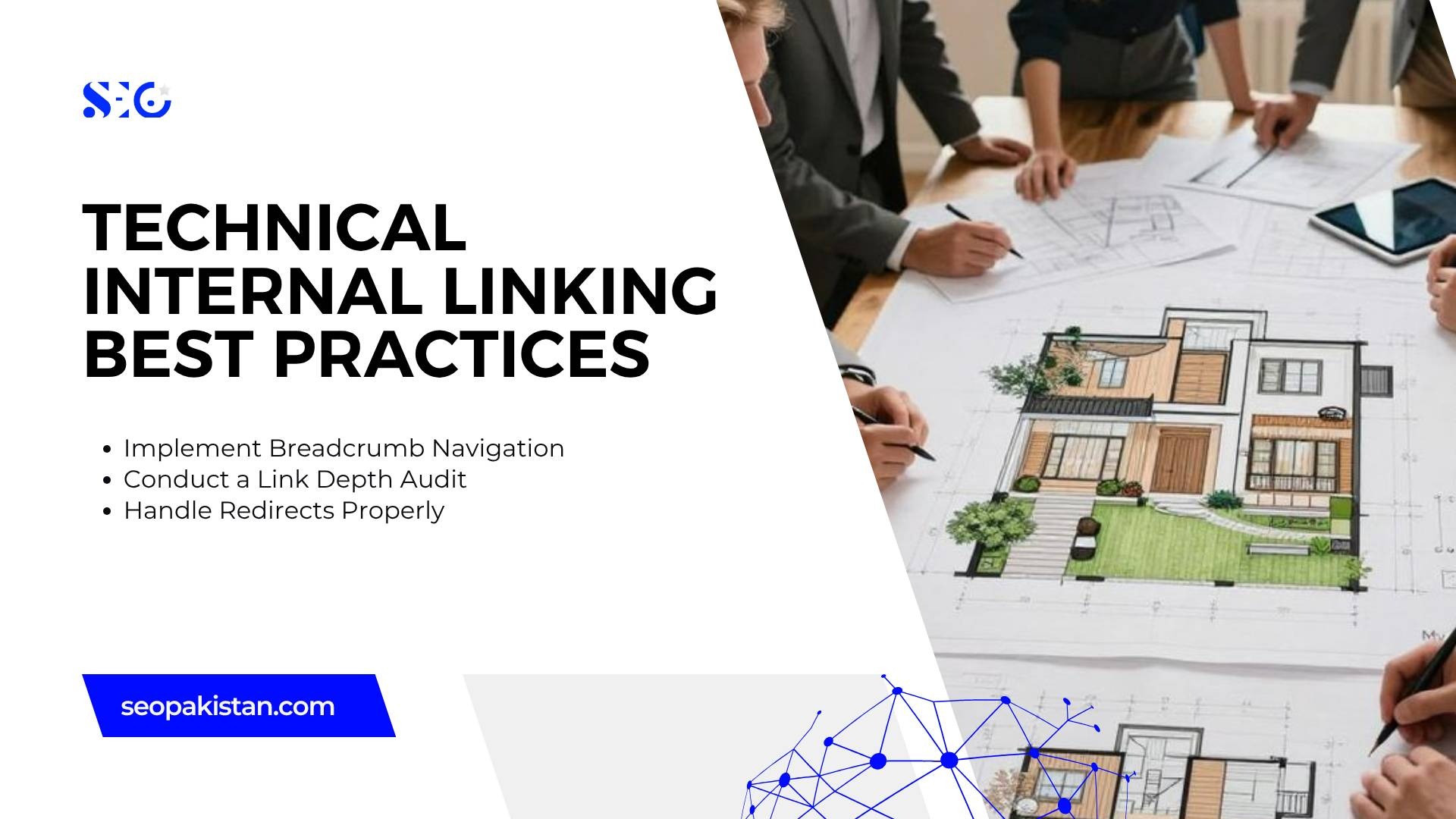
Implement Breadcrumb Navigation
Breadcrumbs show users their exact location within your website hierarchy. You should implement structured data, known as Schema markup, to display this path clearly. A path like “Home > Portfolio > Waterfront Estates” helps users navigate backward easily. It also provides Google with a clear map of your site structure.
Conduct a Link Depth Audit
Websites grow complicated over time. You should use artificial intelligence tools to identify deep pages. Deep pages require too many clicks to reach and rarely receive enough link equity to rank well. A regular audit highlights these structural weaknesses so you can correct them.
Handle Redirects Properly
Broken links damage your professional reputation. You must ensure that all links point directly to their final destination. Avoid linking to old URLs that redirect to new ones. Update links to reflect proper HTTPS and non-WWW formatting. This maintenance prevents your website from leaking valuable ranking power.
The Invisible Infrastructure
Internal linking serves as the structural integrity of your search engine optimization strategy. Without a logical digital floor plan, your highest-quality content will remain hidden from potential buyers. By focusing on luxury home builder internal linking, using strategic content silos, carefully chosen anchor text, and strict technical maintenance, you guarantee that your website reflects the premium nature of your physical builds.
Our AI-driven audits identify the exact authority gaps in your current site architecture. We understand how luxury buyers research and navigate digital spaces. Does your website architecture match the exceptional quality of your physical craftsmanship? Let SEO Pakistan build your digital foundation and elevate your brand visibility today.
Frequently Asked Questions
What is internal linking, and why is it important for luxury home builders?
Internal linking connects pages within your website, guiding users and search engines through your content. For luxury home builders, it ensures high-value pages like portfolios and service offerings gain visibility. Strategic linking distributes ranking power, improves navigation, and enhances user experience, showcasing your expertise and craftsmanship effectively.
How does internal linking benefit SEO for luxury home builders?
Internal linking boosts SEO by signaling content relevance and hierarchy to search engines. For luxury home builders, linking high-performing blogs to portfolio pages increases visibility and authority. It also helps search engines index your site efficiently, improving rankings for competitive keywords like “luxury home builder internal linking.”
How many internal links should a luxury home builder blog include?
A 1,000-word blog should include 3–5 relevant internal links. Focus on linking to high-priority pages like portfolio entries or service descriptions. Ensure links are contextually placed and use descriptive anchor text to enhance both user experience and SEO.
What is the role of anchor text in internal linking for luxury home builders?
Anchor text is the clickable text in a hyperlink. For luxury home builders, using descriptive phrases like “custom estate portfolio” or “award-winning designs” improves SEO and guides users to valuable content. Avoid generic terms like “click here” to maintain professionalism and relevance.
Can internal linking improve user experience on a luxury home builder’s website?
Yes, internal linking enhances user experience by creating a logical navigation flow. Visitors can easily explore your expertise, from design blogs to portfolio pages. This seamless journey builds trust and encourages potential clients to engage with your services.