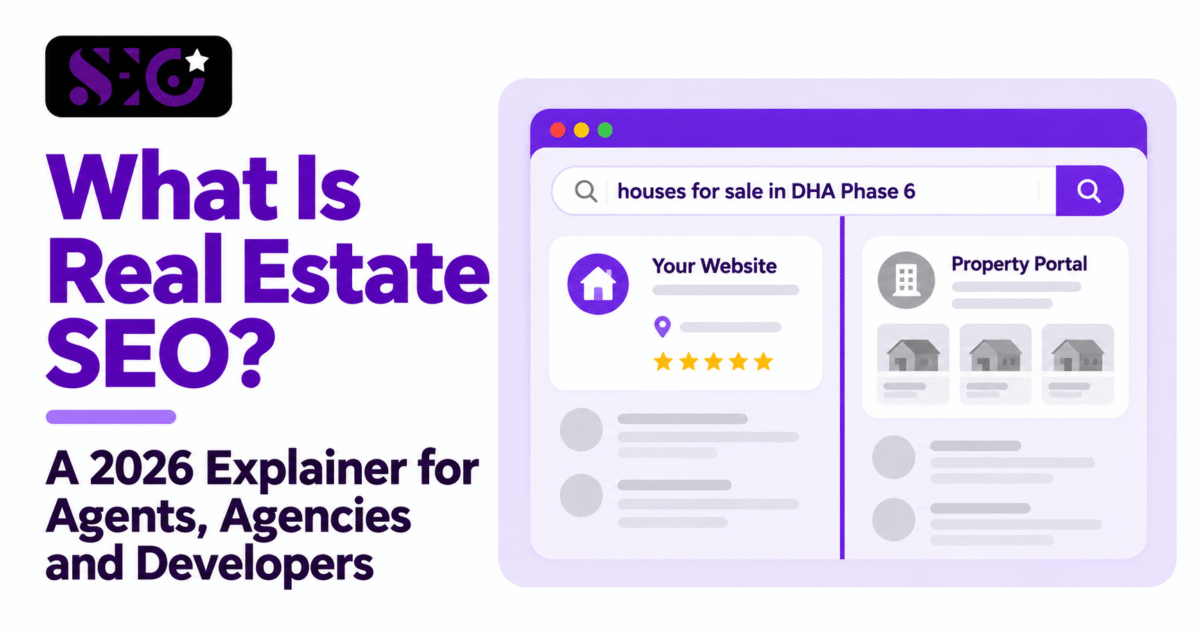



The real estate industry is one of the most competitive markets online. Thousands of property listings compete for visibility in search engines every day. Without a strong SEO strategy, even the best property listings can remain invisible to potential buyers and investors.
Search Engine Optimization (SEO) helps real estate websites attract targeted traffic from search engines like Google. By targeting the right real estate SEO keywords, top real estate keywords, best real estate keywords, optimizing website content, and improving technical performance, property businesses can generate more leads and increase sales.
A clear real estate marketing strategy built around search data helps you reach the right people at the right time, instead of guessing what buyers actually want.
Why SEO and Keywords Are Vital for Real Estate
A report by the National Association of Realtors revealed that 97% of homebuyers use the internet to search for properties. Keywords form the foundation of SEO. When you understand how potential clients search (such as “luxury apartments in Los Angeles” or “how to sell my house quickly”), you can position your website to answer their queries.
By targeting high-intent terms, you’ll attract the right audience and turn clicks into clients.
SEO Keywords in Real Estate Offer Three Major Advantages:
- Increase Visibility: Appear higher in search engine results for terms that potential clients are actively searching for.
- Generate Quality Leads: Get inquiries from your ideal audience rather than random visitors.
- Establish Authority: Dominate your local real estate market by becoming the go-to source for homebuyers and sellers.
Search Intent Matters
When choosing real estate keywords, it’s critical to understand search intent, which refers to the motivation behind a user’s query. There are three main types:
- Informational (e.g., “how to choose a real estate agent”)
- Navigational (e.g., “Zillow login” or “local real estate agencies”)
- Transactional (e.g., “buy houses in Dubai” or “list my property online”)
Why SEO Is Important for Real Estate Websites
Most property buyers start their search online. Whether they are looking for apartments, houses, or investment opportunities, real estate marketing ideas, they usually begin with a Google search.
If your real estate website appears on the first page of search results, you have a higher chance of attracting potential buyers.
SEO provides several benefits for real estate businesses:
- Increases organic website traffic
- Attracts high-intent property buyers
- Improves brand visibility
- Generates consistent leads
- Reduces dependency on paid ads
Instead of relying only on paid advertising, SEO allows real estate websites to gain long-term organic traffic and sustainable growth, while also improving overall website performance across every page.
How to Research SEO Keywords for Real Estate

Keyword research is the foundation of any successful SEO strategy. It helps you understand what potential buyers, sellers, and investors are searching for online.
The goal is to find keywords with high search intent and reasonable competition. Choosing the right keywords early on saves months of wasted content effort later.
The goal is to find keywords with high search intent and reasonable competition.
1. Using SEO Tools
- Google Keyword Planner: A free tool ideal for uncovering search volume, keyword competition levels, and related keyword ideas.
- SEMrush: Not only does it help analyze competitors’ keywords, but it also provides content ideas, backlink analysis, and traffic insights, making it a comprehensive tool.
- Ahrefs: Known for offering detailed insights into keyword performance, it also helps with content gap analysis and organic traffic estimation, including keyword difficulty scoring.
- Ubersuggest: A budget-friendly and user-friendly option that simplifies keyword research. It provides data on search volume, trends, and even SEO difficulty for each keyword.
- Moz Keyword Explorer: Perfect for identifying keyword opportunities and understanding search intent with ease. Its Priority Score helps focus on keywords worth targeting.
- Keywords Everywhere: A browser extension that gives instant keyword metrics like search volume and CPC directly from search engines.
Examples include:
- homes for sale near me
- apartments for rent in Lahore
- luxury homes for sale
Identify Long-Tail Keywords:
Long-tail keywords are precise phrases that have lower competition but are highly focused and effective. For example, instead of using “houses for sale,” go for “affordable houses in San Francisco near schools.” These long-tail queries convert better because they match exactly what a buyer is thinking at that moment.
Consider the user intent behind the search. Long-tail keywords often reflect more actionable intent, such as “best running shoes for flat feet under $100.”
Focus on local long-tail keywords if you are targeting a specific region, like “dog grooming services in Austin” or “vegan restaurants in Brooklyn.” In real estate, these are often called hyperlocal keywords, and they are some of the easiest wins for smaller agencies competing against national portals.
Analyze Competition
To stay ahead in the game, researching your competitors’ keyword strategies is a must. Start by analyzing what keywords they’re targeting—tools like SEMrush or Ahrefs can give you detailed insights into their top-ranking keywords.
For example, if a competitor ranks highly for “best running shoes,” take note of their content strategy.
Next, look for gaps in their approach. Are they missing out on long-tail keywords? These are more specific search terms like “best running shoes for flat feet” or “affordable trail running shoes.” By creating high-quality content around these underserved keywords, you can capture an audience they are not targeting.
This approach not only helps you attract traffic but also positions your brand as an expert in areas competitors might be overlooking.
Plug keywords into Google to see what type of content ranks on the first SERP (Search Engine Results Page). Reviewing the related searches section at the bottom of the results page will also inform your content creation strategy and reveal extra target keywords you may have missed.
Top 100+ SEO Keywords for Real Estate

Here is your ultimate list of popular real estate keywords:
Location-Based Keywords
These keywords target specific areas and are ideal for local SEO.
- Houses for sale in [City]
- Apartments for rent in [City]
- Luxury homes in [City]
- Best neighborhoods in [City]
- Vacation homes in [City]
- Condos near [City]
- Gated community houses in [Location]
- Beachfront properties in [City]
- Downtown lofts in [City]
- Residential plots in [City]
Intent-Based Keywords
Keywords aligned with transactional or navigational intent:
- Sell my house online
- Buy cheap apartments
- List property for free
- Find a real estate agent
- Rent-to-own homes near me
- Mortgage options for first-time buyers
- Invest in commercial property
- Book property tours online
- House valuation near me
- Real estate agency near me
Long-Tail Keywords
To target niche audiences with high purchase intent:
- Affordable 3-bedroom houses in Chicago
- Office spaces for rent in NYC
- Family-friendly apartments in Houston
- Pet-friendly rentals in San Francisco
- Newly constructed homes in Austin
- Top-rated schools in [Area] homes
- Smart home properties in [City]
- 4-bedroom lakefront homes in Washington
- Studio flats under $1500
- Relocation services for real estate investors
Commercial Keywords
Perfect for businesses dealing with office spaces or retail properties:
- Commercial properties for sale
- Best retail spaces in [City]
- Office rentals for startups
- Co-working spaces near [City]
- Warehouses for lease in Texas
- Meeting rooms on rent in [City]
- Industrial properties for sale
- Commercial real estate brokers
- Affordable office spaces in [City]
- Business parks in [City]
Real Estate Agents and Realtor Keywords

For promoting expertise and credibility:
- Real estate agents near me
- Award-winning realtors in [City]
- Certified real estate brokers
- Best real estate agent reviews
- How to pick a realtor
- Realtors specializing in luxury homes
- Real estate commission rates
- Finding top-performing agents
- What are buyers’ vs. sellers’ agents?
- Top real estate agencies
Local SEO Keywords
Highly effective for targeting neighborhood searches:
- [Neighborhood] homes for sale
- Family neighborhoods near [City]
- Historical homes for sale in [Location]
- Open houses in [City]
- Local property listings in [City]
- School ratings in [Location]
- Public transport-accessible homes
- Affordable housing plans in [City]
- New listings in [Neighborhood]
- Small towns with active real estate markets
Property-Specific Keywords
- Waterfront homes for sale
- Duplex rentals near me
- Single-family houses
- Log cabins for sale
- Multi-family investment properties
- Condos under $250k
- Townhouses in high demand
- Garage apartments for rent
- Newly renovated homes
- Dream homes near [City]
Additional Niche Keywords
- Foreclosures in [City]
- Home flipping opportunities
- Land for development in [City]
- Fixer-upper properties in [City]
- Tiny homes for sale
- Smart homes with automation
- Eco-friendly real estate
- Starter homes under $200k
- Short-term rental properties
- Prefabricated homes for quick move-ins
National and Global Keywords
- Real estate trends 2026
- International investment properties
- Moving to [Country] guide
- Foreign real estate opportunities
- Top 10 property markets for investors worldwide
- Best cities for real estate investment in 2026
Property Selling Process:
- Listing price
- Real estate agent
- Market trends
- Open house
- Closing costs
- Negotiations
- Property staging
- Purchase agreement
- Title transfer
Real Estate Investment Keywords
96. Real estate development
97. Real estate market trends
98. Real estate investment opportunities
99. Real estate investment strategies
100. Rental property investment
101. Commercial property investment
Real Estate Lead Generation Keywords
102. Home Seller’s Guide
103. Exclusive listings
104.Real estate newsletter
105. Find a real estate agent
106. Free home valuation 2026
Local SEO for Real Estate Agents
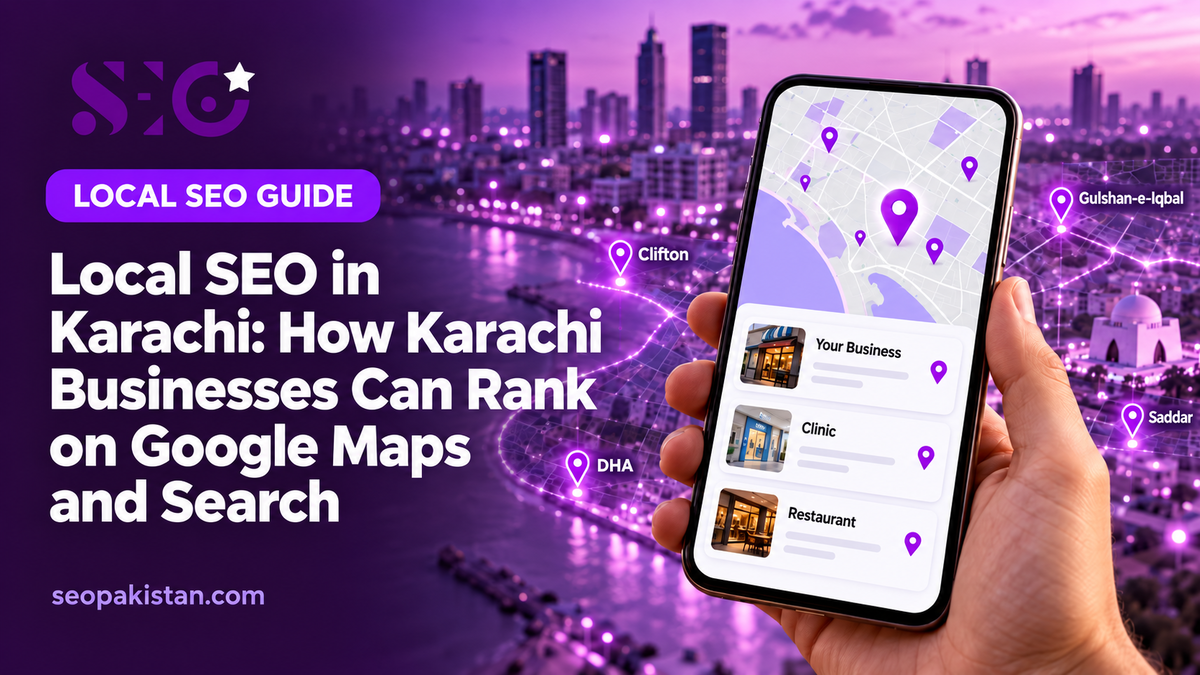
Local SEO is extremely important for real estate businesses because property searches are usually location-based.
Most users search for properties within a specific city, neighborhood, or area.
Examples include:
- houses for sale in Lahore
- apartments in Karachi
- property dealers near me
To improve local SEO rankings, real estate businesses should focus on the following strategies:
Optimize Google Business Profile
A Google Business Profile (GBP) is a free tool that allows you to manage how your business appears on Google Search and Maps. A well-optimized profile can significantly boost your visibility in local search results, helping potential clients find you more easily.
To optimize your GBP:
- Create or Claim Your Listing: Set up a new profile or claim an existing one for your business.
- Complete All Sections: Fill out every part of your profile, including your business name, address, phone number, website, and hours of operation.
- Upload High-Quality Photos: Add professional images of your properties, your team, and your office to make your profile more engaging.
- Gather Reviews: Encourage satisfied clients to leave positive reviews to build credibility and improve your local ranking.
Use Location-Based Keywords
Incorporate local keywords, such as city and neighborhood names, throughout your website content. This helps you rank for location-specific searches.
Example:
- apartments in Bahria Town, Islamabad
- houses for sale in DHA Lahore Phase 6
- 3-bedroom flats for rent in Clifton, Karachi
- commercial plots in Gulberg, Lahore
Encourage Customer Reviews
Positive reviews are crucial for building trust and enhancing your visibility in local search results. Actively encourage satisfied clients to share their experiences on platforms like Google, Zameen.com, and other property portals. A steady stream of positive feedback not only boosts your credibility but also signals to search engines that your business is reputable and relevant.
- Respond to all reviews, both positive and negative, to show that you value client feedback.
- Add a reviews or testimonials page to your website to showcase positive experiences.
- Make it easy for clients to leave reviews by providing direct links to your profiles on review platforms.
On-Page SEO for Property Websites
On-page SEO involves optimizing individual web pages to rank higher and earn more relevant traffic from search engines. It’s about telling search engines what your content is about, making it easier for them to crawl and index your site.
For property websites, this means ensuring every listing and blog post is finely tuned to attract potential buyers and sellers actively searching online.
Key on-page SEO factors for real estate websites include:
Optimized Page Titles
Each page should include relevant real estate keywords.
Example:
Luxury Apartments for Sale in Karachi | Real Estate Listings
Meta Descriptions
A well-written meta description acts as a short ad for your page in the search results, enticing users to click. Including keywords like “property for sale” and a call-to-action can significantly increase click-through rates.
- Example: “Discover luxury apartments for sale in Karachi. Browse our exclusive real estate listings and find your dream home today. Click to view properties!”
Header Tags (H1, H2, H3)
Use header tags to structure your content logically. This not only helps search engines understand the hierarchy of your information but also improves readability for users.
- H1: Use one H1 for your main page title (e.g., “Luxury Apartments for Sale in Karachi”).
- H2/H3: Use for subheadings to break down content (e.g., “Property Features,” “Neighbourhood Information”).
Image Optimization
Real estate websites are image-heavy, so optimizing your visuals is key for page speed and SEO. Unoptimized images can slow down your site, frustrating potential buyers and hurting your search rankings.
Best practices include:
- Compressing images: Reduce file sizes without sacrificing quality to ensure faster load times. Advanced users can implement next-gen image formats like WebP or AVIF and use a Content Delivery Network (CDN) to serve images faster globally.
- Adding descriptive file names: Use names like “two-bedroom-apartment-dha-karachi.jpg” instead of “IMG_1234.jpg”.
- Using keyword-rich alt text: This helps search engines understand the image content and improves accessibility. For advanced SEO, use alt text to target long-tail keywords and describe unique features visible in the photo (e.g., “alt=’hardwood floors in two-bedroom apartment DHA Karachi’”).
- Geotagging images: Add location data to your images. This can boost your visibility in local search results, helping buyers find properties in specific neighborhoods.
Technical SEO for Real Estate Sites
Technical SEO ensures that search engines can properly crawl and index your website.
Important technical factors include:
Mobile-Friendly Design
With most property searches now starting on smartphones, a mobile-friendly website is non-negotiable. Google’s mobile-first indexing means it primarily uses the mobile version of your site for ranking and indexing. A poor mobile experience can significantly harm your visibility.
- Responsive Design: Ensure your website automatically adjusts to fit any screen size, providing a seamless experience for all users.
- Easy Navigation: Menus, buttons, and links should be easily tappable on a small screen. Advanced optimization includes implementing a “thumb-friendly” design where key interactive elements are within easy reach.
Fast Page Loading Speed
In the competitive real estate market, a slow website can be a deal-breaker, leading to higher bounce rates and lower rankings. Potential buyers are often looking at multiple properties and won’t wait for slow images or pages to load.
- Image Optimization: Compress property photos without losing quality to reduce load times.
- Browser Caching: Utilize browser caching to store parts of your website so it loads faster for repeat visitors. Advanced techniques include minifying CSS/JavaScript files and deferring the loading of non-critical scripts.
Secure Website (HTTPS)
Security is a crucial trust signal for both users and search engines. An HTTPS protocol encrypts data exchanged between a user’s browser and your website, protecting sensitive information like contact form submissions or login details.
- SSL Certificate: Install an SSL certificate to enable HTTPS on your site.
- Build Trust: A secure site reassures potential clients that their personal information is safe, making them more likely to engage with your listings. Advanced security measures include implementing HTTP Strict Transport Security (HSTS) to enforce secure connections.
XML Sitemap
An XML sitemap is a file that lists all the important pages on your website, making it easier for search engines to find and crawl them. By providing a clear roadmap of your site’s structure, you can ensure that all your content is indexed properly.
- Generate and Submit: Use a sitemap generator and submit it to search engines via their webmaster tools.
- Keep it Updated: Ensure your sitemap is automatically updated as you add new content. For advanced sites, create separate sitemaps for images and videos to improve their indexing.
How to Use Real Estate Keywords Effectively
Simply having a list of keywords isn’t enough; you need to know how and where to use them. Here are some practical tips:
Keyword Placement:
- Page Titles: Focus on creating clear, concise titles that include primary keywords to improve targeting.
Example: “Luxury Homes in Houston”
- Meta Descriptions: Write engaging descriptions with relevant keywords to summarize the page content and attract clicks.
Example: “Discover stunning luxury homes in Houston with modern amenities and prime locations.”
- Headers and Subheadings: Use H1, H2, and H3 tags to organize content and naturally incorporate keywords.
Example: H1: “Luxury Homes for Sale in Houston”
- Page Content: Tailor your written content to include keywords naturally within blogs, listings, or guides while providing valuable information.
Mistakes to Avoid When Using Keywords
- Ignoring Local Search: Real estate is inherently location-based, so always include geographic references. Failing to do so can make it harder for local clients to find you.
- Keyword Stuffing: Google penalizes over-optimization, which can hurt your rankings and make your content appear spammy.
- Targeting Broad Keywords Only: Focusing solely on broad terms increases competition. Instead, use realistic, long-tail variations for better results.
- Neglecting Mobile Optimization: Most people search for properties on their phones. If your site isn’t mobile-friendly, you risk losing potential leads.
- Skipping Regular Updates: An outdated website or blog can harm your credibility and reduce user engagement.
- Poor Content Quality: Generic or low-quality content can fail to answer users’ questions, leading to higher bounce rates.
- Not Using Visuals: Real estate relies heavily on visuals. Lack of high-quality images or virtual tours can make your listings less appealing.
Conclusion
The right real estate SEO keywords put your listings in front of buyers who are already searching, not random traffic. Location-based terms, hyperlocal keywords, and long-tail queries consistently outperform broad, generic phrases because they match real search intent at every stage of the home-buying process.
Keywords alone will not carry your rankings in 2026. Pair this keyword list with a strong marketing strategy, clean on-page SEO, solid technical SEO, and consistent local SEO work, and treat seasonal trends and first-time buyer content as ongoing opportunities rather than one-time projects.
Start by mapping these keywords to your existing pages, filling the content gaps, and tracking performance in Google Search Console. Visit seopakistan.com to get started.
Frequently Asked Questions
What are the most important SEO ranking factors to focus on in 2026?
Focus on quality content, backlinks, technical SEO (like site speed and mobile-friendliness), keyword optimization, user experience, schema markup, and brand signals.
How can I improve my website’s content quality for better SEO?
Create high-quality, informative, and relevant content that satisfies user intent and keeps the content fresh and original.
Why is technical SEO important and what should I optimize?
Technical SEO ensures search engines can crawl and index your site easily. Key areas include website speed, mobile-friendliness, XML sitemaps, HTTPS, and fixing server errors.
How does keyword optimization affect my SEO rankings?
Proper use of relevant keywords in titles, headings, meta descriptions, and content helps search engines understand your page topic and improves ranking potential.
What role do backlinks play in SEO ranking?
High-quality backlinks act as votes of confidence from other sites, significantly boosting your domain authority and rankings.
What are hyperlocal keywords and why do they matter for real estate?
Hyperlocal keywords target a specific neighborhood, street, or micro area instead of an entire city. They matter because real estate buyers usually search with a specific location in mind, so hyperlocal pages tend to rank faster and convert better than broad citywide pages.
How do seasonal trends affect real estate SEO?
Search demand for terms like vacation homes, beachfront properties, or school district homes rises and falls with the calendar. Publishing seasonal content a few weeks ahead of the expected search increase gives Google time to index and rank the page before demand peaks.